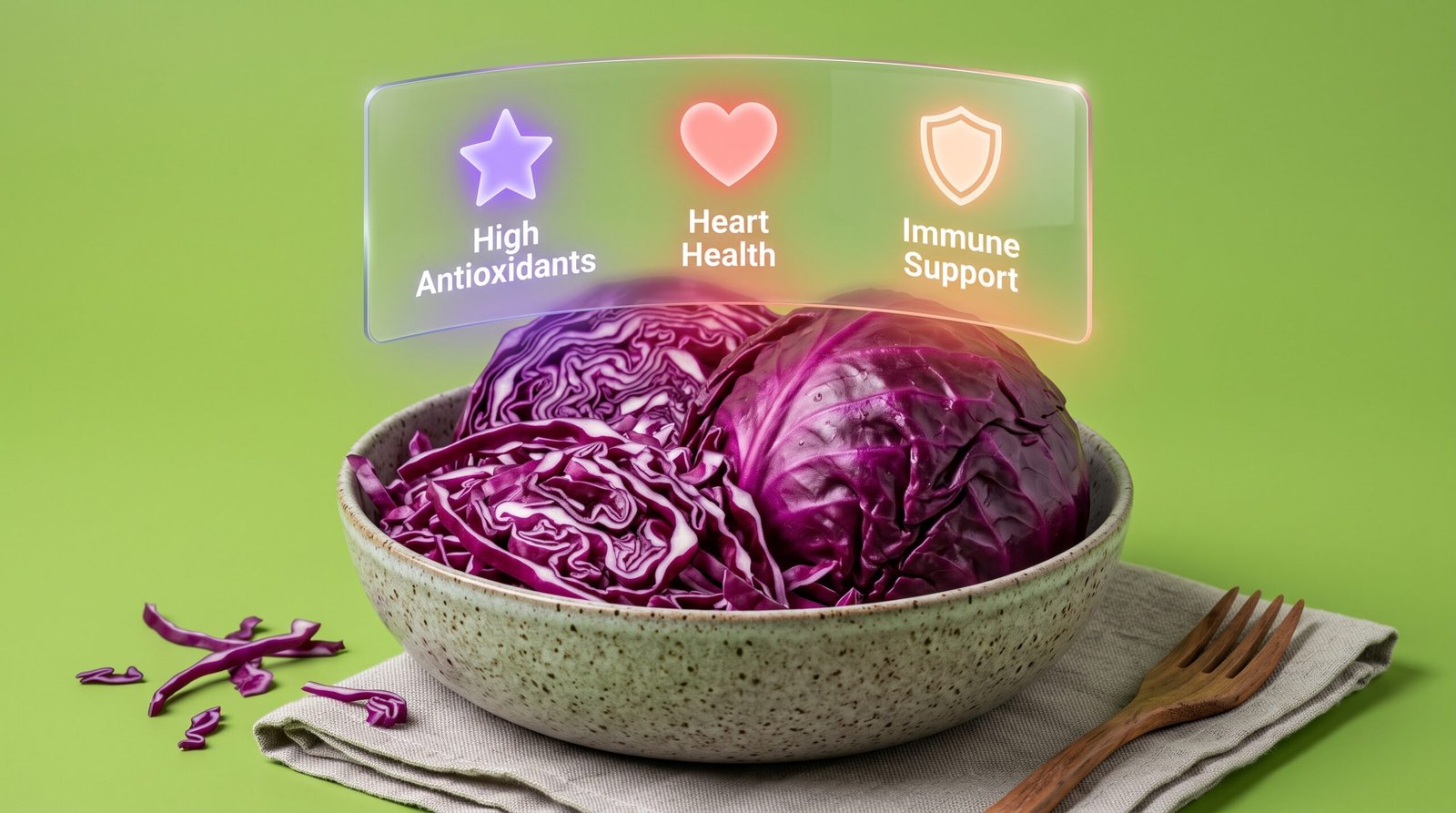
When people think about nutritious vegetables, foods like spinach, broccoli, kale, or carrots often receive most of the attention. However, one colorful vegetable that deserves just as much recognition is red cabbage. With its deep purple-red leaves, crisp texture, and mildly peppery flavor, red cabbage is not only visually appealing but also one of the most nutrient-dense vegetables you can add to your diet.
What truly sets red cabbage apart is its exceptional concentration of powerful antioxidants, vitamins, minerals, dietary fiber, and beneficial plant compounds. These nutrients work together to support numerous aspects of health, including the immune system, heart function, digestive health, brain health, bone strength, skin appearance, and healthy aging. Despite being inexpensive and widely available throughout the year, red cabbage remains one of the most underrated vegetables in modern nutrition.
In today’s fast-paced world, many people struggle with diets high in processed foods, refined sugars, unhealthy fats, and excessive sodium. These dietary habits may contribute to increased oxidative stress, chronic inflammation, poor digestion, weight gain, reduced immunity, and a greater risk of long-term health conditions. Fortunately, incorporating more colorful vegetables into daily meals is one of the simplest and most effective ways to improve overall nutrition.
Red cabbage is especially valuable because of its vibrant purple-red color, which comes from naturally occurring pigments called anthocyanins. These plant compounds belong to the flavonoid family and are responsible for many of the vegetable’s impressive antioxidant properties. Antioxidants help protect the body’s cells from damage caused by unstable molecules known as free radicals. Over time, reducing oxidative stress may support healthy aging and contribute to overall wellness.
Beyond its antioxidant content, red cabbage is also an excellent source of vitamin C, an essential nutrient that supports immune function, collagen production, and wound healing. It provides significant amounts of vitamin K, which is important for bone health and normal blood clotting, along with smaller amounts of vitamin A, vitamin B6, folate, potassium, manganese, and other beneficial nutrients.
Another remarkable feature of red cabbage is its versatility in the kitchen. It can be enjoyed raw in salads and slaws, lightly sautéed, roasted until caramelized, fermented into probiotic-rich dishes, blended into soups, or added to wraps, tacos, grain bowls, and stir-fries. Whether eaten fresh or cooked, red cabbage adds vibrant color, satisfying crunch, and valuable nutrition to almost any meal.
Throughout history, cultures around the world have appreciated cabbage not only as a staple food but also for its potential health-promoting properties. Modern scientific research continues to support many of these traditional beliefs, highlighting red cabbage as an excellent addition to a balanced, plant-rich diet.
In this comprehensive guide, you’ll discover everything you need to know about red cabbage—from its fascinating history and nutritional profile to the science-backed reasons why it deserves a regular place on your plate. Whether your goal is improving your heart health, strengthening your immune system, supporting healthy digestion, managing your weight, or simply eating more nutrient-rich foods, red cabbage offers an impressive range of benefits that make it one of nature’s most valuable vegetables.
What Is Red Cabbage?
Red cabbage (Brassica oleracea var. capitata f. rubra) is a leafy vegetable belonging to the Brassicaceae family, also known as the cruciferous vegetable family. This family includes many other highly nutritious vegetables such as broccoli, cauliflower, kale, Brussels sprouts, bok choy, and turnips.
Although commonly called “red cabbage,” its leaves often display shades ranging from deep purple and burgundy to bluish-red. The exact color can even change depending on the acidity or alkalinity of the soil in which it grows and the way it is cooked. For example, cooking red cabbage with acidic ingredients like vinegar or lemon juice helps preserve its vibrant reddish-purple color, while alkaline conditions may turn it bluish.
Red cabbage forms a compact, round head composed of tightly layered leaves. These leaves are firm, crisp, and slightly waxy, making them ideal for both raw and cooked dishes. Compared to green cabbage, red cabbage generally has a slightly peppery, earthy flavor with a hint of natural sweetness.
One of the reasons red cabbage has become increasingly popular among nutrition experts is its exceptional nutrient density. Despite containing very few calories, it supplies an impressive variety of vitamins, minerals, antioxidants, and dietary fiber. This makes it an excellent choice for people looking to improve their diet without significantly increasing calorie intake.
Red cabbage is enjoyed in cuisines around the world. Some of the most common ways to prepare it include:
- Fresh garden salads
- Coleslaw
- Vegetable wraps
- Sandwiches and burgers
- Stir-fries
- Roasted vegetable dishes
- Soups and stews
- Tacos
- Grain bowls
- Pickled cabbage
- Fermented dishes similar to sauerkraut
Because it maintains its crisp texture even after light cooking, red cabbage adds both color and crunch to meals.
Another interesting feature of red cabbage is its ability to act as a natural pH indicator. The anthocyanin pigments within the leaves change color depending on acidity, making red cabbage juice a popular natural science experiment in classrooms.
In recent years, red cabbage has earned recognition as a “superfood” because of its outstanding antioxidant capacity and impressive concentration of protective plant compounds. While no single food deserves magical status, red cabbage certainly ranks among the most nutritious vegetables available.
Nutritional Profile of Red Cabbage
One of the greatest strengths of red cabbage is that it delivers exceptional nutrition while remaining naturally low in calories. This makes it suitable for people of all ages, whether they are trying to maintain a healthy weight, improve overall nutrition, or simply enjoy more vegetables.
Nutrition Per 100 Grams (Raw)
- Calories: Approximately 31
- Water: About 90%
- Protein: 1.4 grams
- Carbohydrates: 7.4 grams
- Dietary Fiber: 2.1 grams
- Natural Sugars: 3.8 grams
- Fat: 0.2 grams
Its combination of fiber and water makes red cabbage filling despite its low calorie content.
Essential Vitamins
Red cabbage is packed with several vitamins that support important functions throughout the body.
Vitamin C
One serving of red cabbage provides a significant amount of your daily vitamin C requirement.
Vitamin C helps:
- Support the immune system
- Promote collagen production
- Aid wound healing
- Protect cells from oxidative stress
- Improve iron absorption
Vitamin K
Vitamin K is another standout nutrient found in red cabbage.
It contributes to:
- Healthy blood clotting
- Bone mineralization
- Skeletal strength
Vitamin A (Beta-Carotene)
Although not as rich as carrots, red cabbage provides beta-carotene, which the body converts into vitamin A.
Vitamin A supports:
- Eye health
- Skin maintenance
- Immune function
B Vitamins
Red cabbage also contains smaller amounts of:
- Vitamin B6
- Folate (Vitamin B9)
- Thiamine (Vitamin B1)
- Riboflavin (Vitamin B2)
These vitamins help convert food into energy and support normal nervous system function.
Important Minerals
Although vegetables are not always considered major mineral sources, red cabbage contributes meaningful amounts of:
- Potassium
- Calcium
- Magnesium
- Manganese
- Iron
- Phosphorus
These minerals support muscle function, healthy bones, nerve signaling, fluid balance, and many metabolic processes.
Powerful Plant Compounds
Perhaps the most remarkable aspect of red cabbage is its extraordinary concentration of protective phytochemicals.
These include:
- Anthocyanins – Responsible for the deep purple-red color and powerful antioxidant activity.
- Flavonoids – Help combat oxidative stress.
- Polyphenols – Support healthy cells throughout the body.
- Glucosinolates – Sulfur-containing compounds naturally found in cruciferous vegetables.
- Sulforaphane (formed from glucosinolate breakdown) – A well-studied compound being researched for its role in cellular health.
- Carotenoids – Additional antioxidant pigments.
Together, these compounds help protect healthy cells from free radical damage and support long-term wellness.
The Fascinating History of Red Cabbage
Cabbage has been cultivated for thousands of years, making it one of humanity’s oldest domesticated vegetables.
The earliest ancestors of modern cabbage are believed to have originated along the Mediterranean coast of Europe, where wild leafy plants gradually evolved into cultivated varieties.
Ancient Civilizations
The ancient Greeks and Romans highly valued cabbage as both a food and a medicinal plant. Historical records suggest it was commonly eaten before large meals and was believed to promote digestion and overall health.
Although the earliest cultivated cabbages were green, selective breeding over centuries eventually produced the beautiful purple-red varieties we know today.
Medieval Europe
During the Middle Ages, cabbage became one of Europe’s most important staple vegetables because it was:
- Easy to grow
- Nutritious
- Affordable
- Capable of being stored for long periods
Farmers appreciated its ability to survive cooler climates, making it a dependable food source during winter months.
Global Spread
As trade routes expanded, cabbage spread throughout Asia, the Middle East, and eventually North and South America.
Today, red cabbage is cultivated in many countries, including:
- China
- India
- Germany
- Poland
- Russia
- The Netherlands
- United States
- Canada
Its popularity continues to grow because of increasing awareness of its nutritional value.
Types of Red Cabbage
Although most grocery stores simply label it as “red cabbage,” there are several varieties cultivated around the world.
1. Traditional Red Cabbage
The most common variety.
Characteristics:
- Deep purple leaves
- Round compact head
- Crisp texture
- Mild peppery flavor
Best for:
- Salads
- Slaws
- Stir-fries
- Roasting
2. Ruby Ball Red Cabbage
A smaller variety known for:
- Bright reddish-purple color
- Dense leaves
- Sweet flavor
Excellent for home gardens and fresh salads.
3. Red Express Cabbage
An early-maturing variety with:
- Smaller heads
- Tender leaves
- Mild taste
Ideal for quick harvesting and fresh consumption.
4. Red Drumhead Cabbage
A large traditional variety featuring:
- Thick leaves
- Excellent storage life
- Firm texture
Perfect for soups, roasting, and fermentation.
5. Hybrid Red Cabbage Varieties
Modern hybrids have been developed to improve:
- Disease resistance
- Uniform growth
- Color intensity
- Shelf life
- Yield
These varieties are widely grown by commercial farmers around the world.
Why Red Cabbage Deserves More Attention
Despite being inexpensive and readily available, red cabbage often receives far less attention than other vegetables marketed as “superfoods.” Yet its impressive combination of vitamins, minerals, dietary fiber, anthocyanins, and other antioxidants makes it one of the most nutrient-rich vegetables you can buy.
Whether you’re preparing a colorful salad, roasting vegetables for dinner, making homemade slaw, or experimenting with fermented foods, red cabbage offers exceptional flavor, versatility, and nutrition. Its ability to support multiple aspects of health while remaining affordable makes it an excellent choice for individuals and families seeking healthier eating habits.
Science-Backed Health Benefits of Red Cabbage (Benefits 1–9)
1. Packed with Powerful Antioxidants That Protect Your Body
One of the most remarkable qualities of red cabbage is its exceptionally high antioxidant content. In fact, compared with green cabbage, red cabbage contains significantly more antioxidants, largely because of its rich concentration of anthocyanins—the natural pigments responsible for its beautiful purple-red color.
Every day, our bodies produce unstable molecules called free radicals as part of normal metabolism. Additional free radicals are created through exposure to pollution, cigarette smoke, excessive sunlight, poor diet, stress, and certain environmental toxins.
When free radicals accumulate faster than the body can neutralize them, they create a condition known as oxidative stress. Over time, oxidative stress may damage healthy cells and contribute to aging and the development of various chronic diseases.
Antioxidants are substances that help neutralize these harmful molecules before they can cause significant cellular damage.
Anthocyanins – Nature’s Colorful Protectors
Anthocyanins belong to the flavonoid family of plant compounds and are found in many purple, blue, and red fruits and vegetables such as blueberries, blackberries, purple grapes, eggplants, and red cabbage.
These compounds are widely studied because of their impressive antioxidant properties.
Anthocyanins may help:
- Protect healthy cells from oxidative damage.
- Support healthy blood vessels.
- Promote normal inflammatory responses.
- Contribute to healthy aging.
- Support overall cardiovascular wellness.
The darker the cabbage, the higher its anthocyanin concentration tends to be.
Vitamin C Enhances Antioxidant Protection
Red cabbage is also an excellent source of vitamin C, another powerful antioxidant.
Vitamin C helps:
- Neutralize free radicals.
- Regenerate other antioxidants within the body.
- Support collagen production.
- Promote wound healing.
- Protect immune cells.
By combining vitamin C with anthocyanins and other plant compounds, red cabbage provides multiple layers of antioxidant protection.
Polyphenols and Flavonoids
In addition to anthocyanins, red cabbage contains numerous other phytochemicals including:
- Flavonoids
- Polyphenols
- Phenolic acids
- Carotenoids
Together, these compounds help protect healthy tissues throughout the body from everyday oxidative stress.
Supports Healthy Aging
Although aging is a natural process, oxidative stress may accelerate age-related changes.
Eating antioxidant-rich vegetables like red cabbage helps support healthy cells and contributes to overall wellness as part of a balanced diet.
A colorful plate often provides a wider variety of antioxidants, making red cabbage an excellent addition to meals.
Easy Ways to Increase Antioxidant Intake
Adding red cabbage to your diet is simple.
Try:
- Fresh salads
- Homemade coleslaw
- Vegetable wraps
- Stir-fries
- Grain bowls
- Roasted vegetables
- Smoothies
- Pickled red cabbage
Because red cabbage retains many of its nutrients when lightly cooked, both raw and cooked forms can contribute valuable antioxidants.
2. Strengthens the Immune System Naturally
A healthy immune system works continuously to defend the body against bacteria, viruses, fungi, and other harmful microorganisms. While no single food can prevent illness, consuming nutrient-rich vegetables like red cabbage provides important vitamins and antioxidants that help support normal immune function.
Red cabbage contains several nutrients that play key roles in maintaining a strong immune system.
Rich Source of Vitamin C
Vitamin C is perhaps the most well-known nutrient involved in immune health.
This essential vitamin helps:
- Stimulate the production of white blood cells.
- Support the function of immune cells.
- Protect healthy tissues from oxidative damage.
- Promote faster wound healing.
- Enhance iron absorption from plant foods.
Because the body cannot produce vitamin C on its own, it must be obtained through food.
Regularly eating vitamin C-rich vegetables such as red cabbage helps maintain healthy immune function year-round.
Antioxidants Protect Immune Cells
Immune cells are constantly exposed to oxidative stress while defending the body.
The antioxidants found in red cabbage—including anthocyanins, flavonoids, and vitamin C—help protect these cells so they can continue functioning efficiently.
This protective effect supports the body’s natural defense mechanisms.
Supports Healthy Inflammatory Responses
Inflammation is a normal part of the immune response. However, prolonged or excessive inflammation may contribute to various chronic health problems.
The plant compounds found in red cabbage help support the body’s normal inflammatory processes, contributing to overall health and balance.
Supports Recovery
Whether recovering from physical exercise, everyday stress, or minor illness, the body requires nutrients to repair tissues and maintain normal function.
The vitamins, minerals, and antioxidants found in red cabbage provide nutritional support for these natural recovery processes.
Supports Gut Health and Immunity
Did you know that a significant portion of the immune system is closely connected to the digestive tract?
A healthy gut microbiome plays an important role in immune function.
The dietary fiber found in red cabbage helps support beneficial gut bacteria, indirectly contributing to a healthier immune system.
Easy Ways to Eat More Red Cabbage
For better immune-supporting nutrition, include red cabbage in:
- Fresh salads.
- Vegetable soups.
- Stir-fries.
- Sandwiches.
- Tacos.
- Wraps.
- Grain bowls.
Even small daily servings can contribute to overall nutrient intake.
3. Supports Heart Health and Healthy Circulation
Cardiovascular disease remains one of the leading causes of death worldwide, making heart-healthy eating habits more important than ever.
Red cabbage supports cardiovascular wellness through its combination of antioxidants, dietary fiber, potassium, and naturally occurring plant compounds.
Although no single vegetable can prevent heart disease, regularly consuming nutrient-rich vegetables is strongly associated with better heart health.
Anthocyanins Support Healthy Blood Vessels
Anthocyanins are among the most researched plant compounds for cardiovascular health.
Studies suggest these antioxidants help:
- Protect blood vessel walls.
- Support healthy circulation.
- Promote flexibility of blood vessels.
- Reduce oxidative damage to arteries.
Healthy blood vessels allow blood to flow efficiently throughout the body.
Potassium Supports Healthy Blood Pressure
Red cabbage contains potassium, an essential mineral that helps balance sodium levels in the body.
Potassium contributes to:
- Healthy blood pressure.
- Proper muscle contractions.
- Normal nerve function.
- Fluid balance.
- Healthy heart rhythm.
Because many diets contain too much sodium and too little potassium, eating more potassium-rich vegetables is an excellent nutritional strategy.
Dietary Fiber Supports Cholesterol Balance
Fiber helps maintain healthy digestion while also contributing to heart health.
Dietary fiber may help:
- Reduce cholesterol absorption.
- Promote healthy digestion.
- Support weight management.
- Improve overall dietary quality.
Although red cabbage is not the highest-fiber vegetable, every serving contributes to your daily fiber intake.
Supports Healthy Blood Vessel Function
Vitamin C plays an important role in collagen production.
Collagen helps maintain the structural integrity of blood vessel walls, supporting healthy circulation throughout the body.
Anti-Inflammatory Plant Compounds
Chronic low-grade inflammation has been linked to cardiovascular disease.
Red cabbage contains several naturally occurring compounds that help support the body’s normal inflammatory response, including:
- Anthocyanins
- Flavonoids
- Polyphenols
- Glucosinolates
These compounds work together to protect healthy tissues throughout the cardiovascular system.
Heart-Healthy Meal Ideas
Red cabbage is incredibly versatile and pairs well with many heart-friendly foods.
Try combining it with:
- Grilled salmon
- Chickpeas
- Lentils
- Brown rice
- Quinoa
- Olive oil
- Walnuts
- Avocados
These combinations create balanced meals rich in healthy fats, fiber, protein, and antioxidants.
Key Takeaways
Red cabbage is far more than a colorful vegetable. It is one of the richest natural sources of antioxidants, particularly anthocyanins, which help protect healthy cells from oxidative stress. Combined with its impressive vitamin C content, dietary fiber, potassium, and other plant compounds, red cabbage supports the immune system, promotes healthy circulation, and contributes to long-term wellness.
Making red cabbage a regular part of your meals is an easy and affordable way to increase your intake of protective nutrients. Whether enjoyed raw in salads, lightly sautéed, roasted, or fermented, it offers exceptional nutritional value with very few calories.
4. Supports Healthy Digestion and Gut Health
A healthy digestive system is the foundation of overall wellness. It allows your body to absorb nutrients efficiently, eliminate waste properly, and support a balanced immune system. Red cabbage contributes to digestive health through its combination of dietary fiber, water, and naturally occurring plant compounds.
Rich in Dietary Fiber
Dietary fiber is one of the most important nutrients for maintaining digestive health.
A single serving of red cabbage provides valuable fiber that helps:
- Promote regular bowel movements.
- Add bulk to stool.
- Reduce the risk of constipation.
- Support healthy digestion.
- Encourage a feeling of fullness after meals.
Unlike processed foods that are often stripped of fiber, fresh vegetables like red cabbage provide natural fiber that benefits the digestive system.
Supports a Healthy Gut Microbiome
Inside your digestive tract live trillions of beneficial bacteria collectively known as the gut microbiome. These microorganisms play a vital role in digestion, immune function, nutrient absorption, and even mood regulation.
The fiber found in red cabbage acts as nourishment for beneficial gut bacteria, helping them thrive and maintain a healthy balance.
A healthy gut microbiome has been associated with:
- Better digestion.
- Improved nutrient absorption.
- Stronger immune function.
- Healthier metabolism.
- Reduced digestive discomfort.
Water and Fiber Work Together
Red cabbage contains a significant amount of water along with dietary fiber.
Together, these nutrients help:
- Keep the digestive tract functioning smoothly.
- Maintain stool softness.
- Promote regular elimination.
- Support intestinal health.
Adequate hydration combined with fiber intake is essential for preventing constipation.
Fermented Red Cabbage Offers Additional Benefits
One of the healthiest ways to enjoy red cabbage is in fermented forms such as homemade red cabbage sauerkraut.
Fermentation encourages the growth of beneficial bacteria that may support digestive health and contribute to a diverse gut microbiome.
When choosing fermented products, look for varieties that contain live active cultures and have not been excessively heat-treated.
5. Supports Healthy Weight Management
Maintaining a healthy weight is about much more than counting calories. Choosing foods that are filling, nutritious, and naturally low in energy density makes healthy eating easier and more sustainable.
Red cabbage is an excellent example of such a food.
Naturally Low in Calories
One hundred grams of raw red cabbage contains only around 31 calories, allowing you to enjoy generous portions without significantly increasing calorie intake.
This makes red cabbage ideal for:
- Weight loss plans.
- Weight maintenance.
- Healthy meal preparation.
- Low-calorie side dishes.
High in Fiber Promotes Fullness
Fiber slows digestion and helps you feel satisfied for longer periods.
Eating fiber-rich vegetables before or alongside your main meal may help reduce overall calorie consumption by promoting satiety.
Replacing calorie-dense side dishes with colorful vegetables such as red cabbage is a simple strategy for supporting healthy eating habits.
Adds Volume Without Excess Calories
Because red cabbage is rich in both water and fiber, it increases the volume of meals while contributing relatively few calories.
Large, colorful salads featuring red cabbage can be both satisfying and highly nutritious.
A Great Alternative to Processed Side Dishes
Instead of high-calorie processed snacks or refined side dishes, try serving red cabbage with:
- Grilled chicken
- Baked fish
- Lentils
- Quinoa
- Brown rice
- Beans
- Tofu
These balanced meals provide protein, fiber, vitamins, and minerals that support healthy body weight.
6. Helps Support Healthy Blood Sugar Levels
Maintaining stable blood sugar levels is important for consistent energy, metabolic health, and overall well-being.
Although red cabbage is not a treatment for diabetes, it fits well into healthy eating plans because of its low calorie content, fiber, and low glycemic impact.
Low Glycemic Food
Red cabbage has a low glycemic index, meaning it generally does not cause rapid spikes in blood sugar after meals.
Pairing it with:
- Lean proteins
- Whole grains
- Healthy fats
- Legumes
creates balanced meals that promote gradual glucose absorption.
Fiber Supports Glucose Regulation
Dietary fiber slows carbohydrate digestion and reduces the speed at which glucose enters the bloodstream.
This contributes to more stable blood sugar responses throughout the day.
Rich in Protective Plant Compounds
Researchers continue studying glucosinolates, anthocyanins, and flavonoids for their potential role in supporting healthy metabolism.
While more research is ongoing, these compounds contribute to the overall nutritional value of red cabbage.
7. Promotes Strong Bones
Healthy bones require a wide variety of nutrients working together throughout life.
Red cabbage contributes several important nutrients involved in bone health.
Excellent Source of Vitamin K
Vitamin K plays an essential role in:
- Bone mineralization.
- Calcium utilization.
- Skeletal maintenance.
- Normal blood clotting.
Adequate vitamin K intake is important for maintaining healthy bones as we age.
Provides Bone-Supporting Minerals
Red cabbage contributes modest amounts of:
- Calcium
- Magnesium
- Potassium
- Phosphorus
- Manganese
Although no single food provides everything your bones need, including a variety of nutrient-rich vegetables supports lifelong skeletal health.
Supports Active Living
Healthy bones make everyday activities easier, including:
- Walking
- Running
- Lifting
- Climbing stairs
- Exercise
- Sports
Combining regular physical activity with nutrient-rich foods creates the best environment for long-term bone health.
8. Supports Brain Health and Cognitive Function
The brain requires a constant supply of nutrients and oxygen to function efficiently. Nutrition plays a significant role in maintaining memory, concentration, learning, and overall cognitive performance.
Red cabbage contains several nutrients and antioxidants that support healthy brain cells.
Anthocyanins May Benefit Brain Health
Anthocyanins are among the most extensively researched plant compounds for healthy aging.
Studies suggest diets rich in anthocyanin-containing fruits and vegetables may support:
- Memory.
- Learning.
- Healthy circulation to the brain.
- Protection against oxidative stress.
These colorful compounds help defend brain cells from free radical damage.
Vitamin C Supports Nervous System Function
Vitamin C contributes to the production of neurotransmitters, the chemical messengers that allow nerve cells to communicate effectively.
Adequate vitamin C intake also helps protect delicate brain tissues from oxidative stress.
Supports Healthy Blood Flow
Healthy circulation ensures the brain receives oxygen and nutrients needed for optimal performance.
The antioxidants in red cabbage help support healthy blood vessels throughout the body, including those supplying the brain.
9. Supports Healthy Skin and Healthy Aging
Healthy skin reflects overall health, and nutrition plays an essential role in maintaining skin structure, elasticity, and appearance.
Red cabbage provides several nutrients that support healthy skin from within.
Vitamin C Supports Collagen Production
Collagen is the body’s most abundant structural protein.
It provides strength and elasticity to:
- Skin
- Blood vessels
- Cartilage
- Bones
- Connective tissues
Vitamin C is essential for normal collagen formation, making red cabbage an excellent addition to a skin-friendly diet.
Powerful Antioxidants Protect Skin Cells
Every day, the skin is exposed to:
- UV radiation.
- Pollution.
- Cigarette smoke.
- Environmental toxins.
- Oxidative stress.
Anthocyanins, flavonoids, and vitamin C help protect healthy skin cells from these everyday challenges.
Supports Healthy Aging
Although aging cannot be prevented, lifestyle choices influence how the body ages over time.
Eating colorful vegetables rich in antioxidants contributes to:
- Healthy skin.
- Cellular protection.
- Healthy circulation.
- Long-term wellness.
Combined with exercise, adequate sleep, hydration, and sun protection, antioxidant-rich foods help support graceful aging.
Why Red Cabbage Is One of Nature’s Best Superfoods
Red cabbage truly deserves its reputation as one of the world’s most nutrient-dense vegetables. Few foods provide such an impressive combination of antioxidants, vitamins, minerals, dietary fiber, and beneficial plant compounds while remaining naturally low in calories.
Its rich anthocyanin content gives it exceptional antioxidant capacity, while vitamin C, vitamin K, glucosinolates, and fiber work together to support multiple body systems.
Whether enjoyed raw, roasted, lightly sautéed, fermented, or blended into colorful dishes, red cabbage is a delicious and affordable way to improve the nutritional quality of your diet.
Adding just a few servings each week can help increase your intake of protective nutrients while making your meals more vibrant and satisfying.
Potential Risks and Side Effects of Red Cabbage
For most healthy individuals, red cabbage is a safe and nutritious food that can be enjoyed regularly. Nevertheless, consuming large amounts or having certain medical conditions may lead to mild side effects.
1. Digestive Discomfort
Red cabbage contains dietary fiber and sulfur-containing compounds that are beneficial for digestion but may cause temporary digestive symptoms in sensitive individuals.
Possible symptoms include:
- Gas
- Bloating
- Mild stomach discomfort
- Increased intestinal activity
People who are not accustomed to eating high-fiber vegetables may notice these effects initially.
How to Reduce Digestive Discomfort
- Increase fiber intake gradually.
- Drink plenty of water.
- Cook red cabbage lightly instead of eating large raw portions.
- Eat smaller servings throughout the day.
Most people find that their digestive system adapts over time.
2. May Affect Thyroid Function When Consumed in Excess
Like broccoli, kale, Brussels sprouts, and cauliflower, red cabbage belongs to the cruciferous vegetable family.
These vegetables naturally contain compounds called goitrogens, which may interfere with iodine utilization when consumed in extremely large amounts, particularly in people with iodine deficiency.
For most healthy individuals eating a balanced diet, moderate red cabbage consumption is not considered a concern.
Cooking red cabbage can reduce the activity of these naturally occurring compounds.
Individuals with thyroid disorders should consult their healthcare provider regarding their specific dietary needs.
3. Vitamin K and Blood-Thinning Medications
Red cabbage is an excellent source of vitamin K, a nutrient essential for normal blood clotting.
People taking blood-thinning medications such as warfarin should not suddenly increase or decrease their intake of vitamin K-rich foods without medical guidance.
The key is consistency rather than complete avoidance.
4. Possible Allergic Reactions
Although uncommon, some individuals may experience an allergy to cabbage or other cruciferous vegetables.
Symptoms may include:
- Itching
- Skin rash
- Swelling
- Tingling of the mouth
- Digestive discomfort
Anyone experiencing severe allergic symptoms should seek immediate medical attention.
5. Excess Fiber May Cause Temporary Digestive Changes
Eating very large quantities of red cabbage without adequate water intake may contribute to:
- Constipation
- Gas
- Abdominal cramps
Maintaining good hydration helps fiber work effectively within the digestive system.
Healthy Ways to Enjoy Red Cabbage
One of the greatest advantages of red cabbage is its incredible versatility.
It can be enjoyed:
- Raw
- Steamed
- Roasted
- Sautéed
- Fermented
- Pickled
- Grilled
- Blended into soups
Its crisp texture and slightly peppery flavor make it suitable for meals throughout the year.
8 Healthy and Delicious Red Cabbage Recipes
1. Rainbow Red Cabbage Salad
Ingredients
- Shredded red cabbage
- Carrots
- Cucumber
- Apple slices
- Pumpkin seeds
- Lemon juice
- Olive oil
- Black pepper
A refreshing salad packed with fiber, antioxidants, and vibrant colors.
2. Roasted Red Cabbage Steaks
Slice red cabbage into thick rounds.
Brush with:
- Olive oil
- Garlic
- Black pepper
- Paprika
- Fresh herbs
Roast until the edges become beautifully caramelized.
3. Red Cabbage Stir-Fry
Combine:
- Red cabbage
- Bell peppers
- Mushrooms
- Broccoli
- Garlic
- Ginger
- Sesame oil
- Low-sodium soy sauce
Serve with brown rice or quinoa for a balanced meal.
4. Homemade Red Cabbage Slaw
Mix:
- Shredded red cabbage
- Greek yogurt
- Apple cider vinegar
- Dijon mustard
- Fresh parsley
A healthier alternative to traditional mayonnaise-based coleslaw.
5. Fermented Red Cabbage (Sauerkraut)
Prepare homemade fermented red cabbage using:
- Shredded cabbage
- Sea salt
Natural fermentation encourages beneficial bacteria that support gut health.
6. Red Cabbage Soup
Blend together:
- Red cabbage
- Onion
- Garlic
- Vegetable broth
- Carrots
- Herbs
A colorful soup rich in vitamins and antioxidants.
7. Red Cabbage Tacos
Fill whole-grain tortillas with:
- Grilled chicken or black beans
- Shredded red cabbage
- Avocado
- Salsa
- Fresh cilantro
A nutritious twist on taco night.
8. Red Cabbage Smoothie
Blend:
- Red cabbage
- Blueberries
- Banana
- Greek yogurt
- Chia seeds
- Almond milk
A nutrient-rich smoothie loaded with antioxidants.
How to Choose Fresh Red Cabbage
Selecting fresh produce ensures better flavor and nutritional quality.
Look for heads that are:
- Firm and heavy for their size.
- Deep purple-red in color.
- Free from cracks.
- Free from mold.
- Crisp with tightly packed leaves.
- Bright and vibrant.
Avoid cabbage that appears wilted, soft, or has yellowing leaves.
Proper Storage Tips
Proper storage helps preserve freshness and nutrients.
Whole Red Cabbage
Store:
- In the refrigerator.
- Inside the vegetable crisper drawer.
- Unwashed until ready to use.
Whole cabbage typically stays fresh for 2–3 weeks.
Cut Red Cabbage
After cutting:
- Wrap tightly in plastic wrap or reusable food wrap.
- Store in an airtight container.
- Refrigerate immediately.
For best quality, consume within 3–5 days.
Can You Freeze Red Cabbage?
Yes.
For best results:
- Wash thoroughly.
- Slice or shred.
- Blanch briefly in boiling water.
- Cool quickly in ice water.
- Freeze in airtight freezer bags.
Frozen red cabbage works well in soups, stir-fries, and cooked dishes.
Frequently Asked Questions (FAQs)
Is red cabbage healthier than green cabbage?
Both are highly nutritious, but red cabbage generally contains higher levels of anthocyanins and antioxidant compounds due to its vibrant purple-red pigments.
Can I eat red cabbage every day?
Yes. For most healthy adults, enjoying moderate servings of red cabbage daily as part of a balanced diet is perfectly safe and nutritious.
Is raw or cooked red cabbage healthier?
Both have advantages.
Raw red cabbage retains more vitamin C, while lightly cooked red cabbage may improve the availability of certain beneficial compounds and is often easier to digest.
Including both forms provides variety and nutritional benefits.
Does red cabbage help with weight loss?
Yes. Its low calorie content, high fiber, and high water content help promote fullness, making it an excellent addition to weight-management plans.
Why is red cabbage purple?
Its vibrant color comes from natural pigments called anthocyanins, powerful antioxidants that help protect healthy cells from oxidative stress.
Is red cabbage good for people with diabetes?
Yes. Red cabbage is naturally low in calories, contains dietary fiber, and has a low glycemic impact, making it a healthy vegetable choice for many people managing blood sugar levels.
Can children eat red cabbage?
Absolutely. Red cabbage is a nutritious vegetable suitable for children when prepared in age-appropriate portions.
Can red cabbage be eaten raw?
Yes.
Many people enjoy raw red cabbage in:
- Salads
- Coleslaw
- Sandwiches
- Wraps
- Grain bowls
Raw red cabbage provides a satisfying crunch and excellent nutritional value.
Conclusion
Red cabbage is much more than a colorful addition to your plate—it is one of the most nutrient-rich vegetables available. Packed with anthocyanins, vitamin C, vitamin K, dietary fiber, glucosinolates, and essential minerals, it delivers an impressive range of health benefits while remaining naturally low in calories. From protecting cells against oxidative stress and supporting heart health to promoting digestion, strengthening immunity, aiding weight management, and contributing to healthy aging, red cabbage offers exceptional nutritional value in every bite.
Another reason to appreciate red cabbage is its versatility. It can be enjoyed raw in fresh salads, roasted until caramelized, lightly sautéed, fermented into probiotic-rich dishes, blended into soups, or used as a colorful ingredient in wraps, tacos, grain bowls, and sandwiches. Its vibrant color, satisfying crunch, and mild peppery flavor make healthy meals more appealing while adding a wide variety of protective nutrients.
Although red cabbage is highly nutritious, it works best as part of a balanced eating pattern that includes a diverse selection of fruits, vegetables, whole grains, legumes, lean proteins, healthy fats, and regular physical activity. No single food can provide everything the body needs, but incorporating colorful vegetables like red cabbage into your daily routine is a simple and effective way to improve overall nutrition and long-term wellness.
Whether your goal is to strengthen your immune system, improve digestion, support your heart, manage your weight, or simply enjoy more wholesome foods, red cabbage is an affordable, accessible, and delicious choice. Small, consistent dietary habits often have the greatest impact over time, and adding red cabbage to your meals is one of those simple habits that can contribute to a healthier lifestyle for years to come.
Medical Disclaimer
Medical Disclaimer: The information provided on Sourves (https://sourves.com/) is for educational and informational purposes only. It is not intended to be a substitute for professional medical advice, diagnosis, or treatment. Always seek the advice of your physician or other qualified health provider with any questions you may have regarding a medical condition. Never disregard professional medical advice or delay in seeking it because of something you have read on this website.