Introduction
When people think of cucumbers, the first thing that usually comes to mind is a refreshing addition to salads or a cool slice placed over tired eyes during a spa treatment. While cucumbers are widely recognized for their crisp texture and high water content, they are far more than just a hydrating vegetable. In reality, cucumbers are packed with essential vitamins, minerals, antioxidants, and plant compounds that support overall health, making them one of the most underrated foods in a healthy diet.
In today’s fast-paced world, many people struggle to stay properly hydrated. Busy schedules, processed foods, sugary beverages, hot climates, and physical activity can all contribute to dehydration. Even mild dehydration may affect energy levels, concentration, digestion, skin appearance, and overall well-being. Although drinking enough water is the foundation of good hydration, consuming water-rich foods like cucumbers can significantly contribute to meeting your daily fluid needs.
Made up of approximately 95–96% water, cucumbers are among the most hydrating foods available. However, their benefits extend far beyond hydration. They provide important nutrients such as vitamin K, vitamin C, potassium, magnesium, and small amounts of vitamin A and B vitamins. In addition, cucumbers contain powerful antioxidants and plant compounds, including flavonoids, lignans, tannins, and cucurbitacins, which help protect the body’s cells from oxidative stress and inflammation.
For centuries, cucumbers have been valued not only as a refreshing food but also as a natural remedy in traditional medicine. Ancient civilizations used cucumbers to cool the body during hot weather, soothe irritated skin, support digestion, and promote overall vitality. Modern research continues to explore these traditional uses, and many of them are now supported by scientific evidence.
One of the most remarkable aspects of cucumbers is their versatility. They can be enjoyed raw, sliced into salads, blended into smoothies, infused into water, added to sandwiches and wraps, pickled for long-term storage, or even incorporated into refreshing cold soups. Their mild flavor makes them an excellent companion to countless dishes, while their low calorie content makes them ideal for people trying to maintain or lose weight.
In this comprehensive guide, you’ll discover everything you need to know about cucumbers—from their fascinating history and nutritional profile to the science-backed reasons why they are essential for healthy skin, proper hydration, digestion, heart health, and overall wellness. Whether you’re looking to improve your diet, enhance your skincare routine from within, or simply enjoy more nutrient-rich foods, cucumbers deserve a permanent place in your kitchen.
What Are Cucumbers?
Cucumbers (Cucumis sativus) are widely cultivated plants belonging to the Cucurbitaceae family, which also includes pumpkins, squash, melons, and zucchini. Although they are commonly treated as vegetables in the kitchen, cucumbers are technically fruits because they develop from the flower of the plant and contain seeds.
The cucumber plant is a fast-growing vine that thrives in warm climates and produces long, cylindrical fruits with smooth or slightly textured skin. Depending on the variety, cucumbers may range in color from deep green to pale green, yellow, or even white. Their flesh is crisp, juicy, and mild in flavor, making them one of the most refreshing foods available.
One of the reasons cucumbers are so popular around the world is their versatility. They can be consumed in many different ways, including:
- Fresh in salads
- Sliced into sandwiches and wraps
- Blended into smoothies
- Added to detox water
- Served with yogurt-based dips
- Pickled as gherkins
- Mixed into grain bowls
- Chopped into salsa
- Used in cold soups such as gazpacho
- Incorporated into healthy snacks
Cucumbers are available throughout the year in most countries, making them an accessible and affordable option for individuals and families looking to improve their diet.
Beyond their culinary uses, cucumbers have long been associated with natural skincare. Their cooling properties have made them a favorite ingredient in facial masks, eye treatments, and soothing skin remedies. While placing cucumber slices on the eyes may not eliminate dark circles permanently, the cooling sensation can temporarily reduce puffiness and provide a refreshing feeling.
Thanks to their combination of hydration, nutrients, and antioxidants, cucumbers have earned a well-deserved reputation as one of nature’s simplest yet most effective health foods.
Nutritional Profile of Cucumbers
One of the biggest advantages of cucumbers is that they deliver hydration and valuable nutrients while remaining extremely low in calories. This makes them an excellent food for people of all ages, especially those focused on healthy eating and weight management.
Nutrition Per 100 Grams (With Peel)
- Calories: Approximately 15
- Protein: 0.7 grams
- Carbohydrates: 3.6 grams
- Dietary Fiber: 0.5 grams
- Natural Sugars: 1.7 grams
- Fat: 0.1 grams
- Water: Approximately 95–96%
Because of this exceptionally high water content, cucumbers help increase daily fluid intake while providing a satisfying crunch.
Essential Vitamins
Cucumbers contain a variety of vitamins that support normal body function, including:
- Vitamin K – Important for blood clotting and bone health.
- Vitamin C – Supports immune function and collagen production.
- Vitamin A (small amounts) – Helps maintain healthy vision and skin.
- Vitamin B1 (Thiamine) – Supports energy metabolism.
- Vitamin B5 (Pantothenic Acid) – Plays a role in hormone and energy production.
- Vitamin B6 – Supports brain health and normal metabolism.
- Folate (Vitamin B9) – Essential for healthy cell growth.
Important Minerals
Although cucumbers are not highly concentrated in minerals, they still contribute to daily intake of several essential nutrients:
- Potassium
- Magnesium
- Manganese
- Phosphorus
- Calcium
- Iron (small amounts)
Potassium is particularly valuable because it supports healthy blood pressure, muscle function, and fluid balance.
Powerful Plant Compounds
Cucumbers are rich in naturally occurring phytochemicals that provide antioxidant protection.
These include:
- Flavonoids
- Lignans
- Tannins
- Cucurbitacins
- Beta-carotene
- Antioxidants
These compounds help neutralize free radicals, reduce oxidative stress, and support overall health.
The Fascinating History of Cucumbers
Cucumbers have one of the oldest cultivation histories of any vegetable or fruit consumed today.
Historians believe cucumbers originated in India more than 3,000 years ago, where wild varieties were first cultivated before spreading to neighboring regions through trade.
Ancient India
Early Indian civilizations valued cucumbers not only as food but also for their cooling properties during hot weather. They became an important part of traditional diets and Ayurvedic medicine.
Ancient Egypt
Evidence suggests that cucumbers were grown along the Nile River thousands of years ago. Ancient Egyptians appreciated cucumbers for their refreshing qualities and nutritional value.
Ancient Greece and Rome
Greek and Roman civilizations cultivated cucumbers extensively. Historical records indicate that Roman Emperor Tiberius enjoyed eating cucumbers regularly, leading gardeners to develop innovative methods for growing them throughout the year.
Medieval Europe
During the Middle Ages, cucumbers spread across Europe, becoming a staple crop in many regions. They were often grown in monastery gardens and valued for their versatility in cooking.
Global Popularity
Today, cucumbers are cultivated worldwide. Countries such as China, India, Turkey, Russia, the United States, and Iran are among the largest producers.
Because they grow relatively quickly and adapt to different climates, cucumbers remain one of the world’s most widely consumed vegetables.
Types of Cucumbers
Although many people simply purchase “a cucumber” from the grocery store, there are actually numerous varieties, each offering unique characteristics, flavors, and culinary uses.
1. English Cucumbers
Often referred to as seedless cucumbers, English cucumbers are long, slender, and wrapped in plastic to preserve freshness.
Characteristics
- Thin edible skin
- Very few seeds
- Mild flavor
- Crisp texture
Best Uses
- Fresh salads
- Sandwiches
- Smoothies
- Infused water
2. Persian Cucumbers
Persian cucumbers are smaller than English cucumbers but share many similar qualities.
Characteristics
- Thin skin
- Sweet flavor
- Crunchy texture
- Minimal seeds
Best Uses
- Healthy snacks
- Salads
- Yogurt dips
- Lunch boxes
3. Garden Cucumbers
These are the traditional cucumbers commonly found in supermarkets.
Characteristics
- Dark green skin
- Larger seeds
- Mild flavor
Best Uses
- Salads
- Slicing
- Sandwiches
- Everyday cooking
4. Pickling Cucumbers
Pickling cucumbers are shorter, firmer, and specifically grown for preserving.
Characteristics
- Thick skin
- Firm flesh
- Small size
Best Uses
- Homemade pickles
- Fermented vegetables
- Relishes
5. Lemon Cucumbers
Named for their round, yellow appearance rather than their taste.
Characteristics
- Small
- Mild flavor
- Crisp texture
Best Uses
- Salads
- Decorative platters
- Fresh snacks
6. Armenian Cucumbers
Although technically a type of melon, Armenian cucumbers are commonly prepared like traditional cucumbers.
Characteristics
- Long and curved
- Crisp texture
- Mild sweetness
Best Uses
- Salads
- Grilling
- Fresh eating
Each variety provides similar nutritional benefits while offering unique textures and flavors. Including different types of cucumbers in your meals adds variety and makes healthy eating more enjoyable.
Science-Backed Health Benefits of Cucumbers (Benefits 1–9)
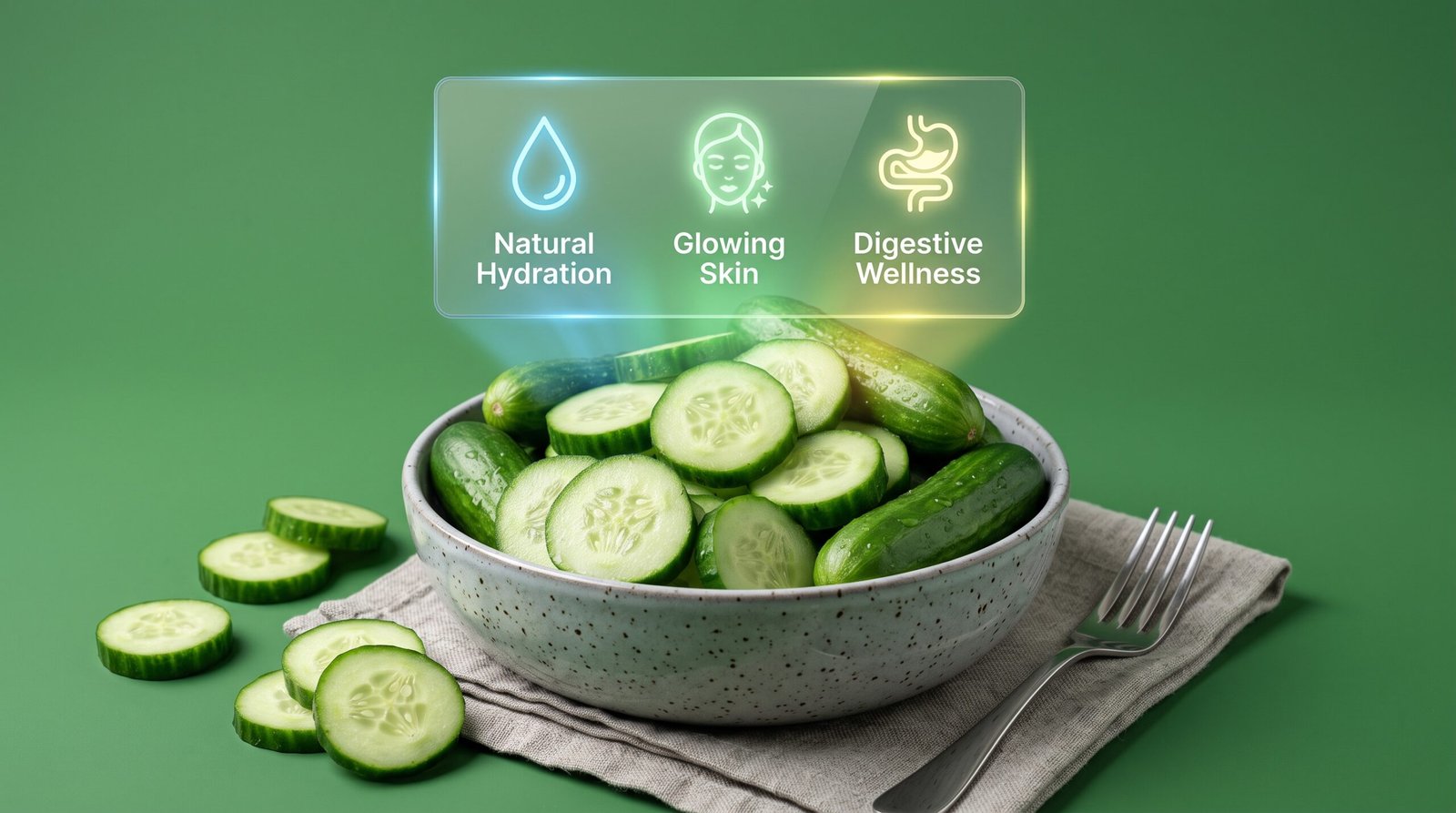
1. Keeps Your Body Hydrated Naturally
Hydration is one of the most important yet often overlooked aspects of good health. Every cell, tissue, and organ in your body depends on water to function properly. Water helps regulate body temperature, transport nutrients, lubricate joints, remove waste products, support digestion, maintain healthy skin, and keep your brain functioning efficiently.
Although drinking enough water is essential, many people don’t realize that a significant portion of their daily fluid intake also comes from the foods they eat. This is where cucumbers truly shine.
Made Up of More Than 95% Water
Cucumbers are composed of approximately 95–96% water, making them one of the most hydrating foods available. Eating cucumbers is an easy and delicious way to supplement your daily water intake, especially during hot weather, after exercise, or when you’re struggling to drink enough fluids.
Their high water content helps replenish fluids naturally while providing important vitamins and minerals that plain water alone does not contain.
Why Proper Hydration Matters
Even mild dehydration can affect the body in many ways. You may notice symptoms such as:
- Fatigue or low energy
- Headaches
- Dry mouth
- Difficulty concentrating
- Dizziness
- Constipation
- Dry or dull-looking skin
- Reduced physical performance
Consuming water-rich foods like cucumbers alongside adequate water intake can help reduce the risk of dehydration and support your body’s daily functions.
Helps Maintain Electrolyte Balance
In addition to water, cucumbers contain potassium, an important mineral that plays a key role in maintaining fluid balance inside and outside your cells.
Potassium helps:
- Regulate fluid levels in the body
- Support healthy muscle contractions
- Maintain normal nerve function
- Promote healthy blood pressure
- Replace electrolytes lost through sweating
While cucumbers are not as rich in potassium as bananas or potatoes, every source contributes to your daily nutritional needs.
A Smart Choice During Summer
During warm weather, the body loses more fluids through perspiration. Cucumbers provide a refreshing way to stay hydrated without consuming sugary beverages or artificially flavored drinks.
Popular summer ideas include:
- Chilled cucumber slices
- Cucumber-infused water
- Fresh cucumber salad
- Cucumber and mint smoothies
- Yogurt and cucumber raita
These refreshing dishes not only help cool the body but also contribute to daily hydration.
Supports Healthy Kidney Function
Adequate hydration is essential for healthy kidneys. Water helps the kidneys filter waste products from the blood and remove them through urine.
By increasing fluid intake through foods like cucumbers, you help support the body’s natural waste removal processes.
Although cucumbers are not a treatment for kidney disease, staying properly hydrated is an important part of maintaining normal kidney function.
2. Promotes Healthy, Glowing Skin
Healthy skin begins from within. While skincare products can protect and moisturize the outer layer of the skin, proper nutrition provides the building blocks needed to maintain healthy skin cells.
Cucumbers have been associated with skincare for centuries, and modern nutrition helps explain why.
Hydration Improves Skin Appearance
Because cucumbers are exceptionally high in water, they help support overall hydration. Well-hydrated skin often appears:
- Smoother
- Softer
- More supple
- More radiant
Although eating cucumbers alone won’t eliminate wrinkles or cure skin conditions, staying hydrated contributes to healthy skin function.
Rich in Vitamin C
Cucumbers provide vitamin C, an essential nutrient involved in collagen production.
Collagen is a structural protein that helps maintain the skin’s:
- Strength
- Elasticity
- Firmness
- Healing ability
Vitamin C also functions as a powerful antioxidant, helping protect skin cells from damage caused by pollution, ultraviolet (UV) radiation, and free radicals.
Natural Antioxidants Help Protect Skin
Every day, our skin is exposed to environmental stressors such as:
- Sunlight
- Air pollution
- Cigarette smoke
- Dust
- Stress
- Poor diet
These factors increase oxidative stress, which can contribute to premature skin aging.
Cucumbers contain antioxidants including:
- Flavonoids
- Beta-carotene
- Tannins
- Vitamin C
These compounds help neutralize free radicals and support healthy skin cells.
Supports Skin Healing
Vitamin C also contributes to normal wound healing by supporting collagen formation.
While cucumbers should never replace medical treatment for skin injuries, including vitamin C-rich foods in your diet supports the body’s natural healing processes.
Why Cucumbers Are Used in Skincare
One of the most familiar beauty treatments involves placing cucumber slices over the eyes.
Although this practice doesn’t permanently remove dark circles, the cool temperature of chilled cucumber slices may temporarily help:
- Reduce puffiness
- Soothe tired eyes
- Provide a refreshing sensation
- Calm mild skin irritation
This explains why cucumber extracts are commonly included in facial masks, moisturizers, and skincare products.
Supports Healthy Aging
Premature skin aging is influenced by many lifestyle factors, including:
- Excessive sun exposure
- Smoking
- Poor nutrition
- Chronic stress
- Lack of sleep
The antioxidants found in cucumbers help support healthy aging by protecting skin cells from oxidative damage.
When combined with sunscreen, hydration, and a balanced diet, cucumbers contribute to healthier-looking skin over time.
3. Supports Healthy Digestion and Gut Health
A healthy digestive system allows your body to absorb nutrients efficiently while removing waste products regularly.
Digestive wellness also plays a major role in immunity, energy levels, and overall health.
Cucumbers support digestion through their combination of water, dietary fiber, and beneficial plant compounds.
Water Helps Maintain Regular Digestion
One of the simplest ways cucumbers support digestion is through hydration.
Water helps:
- Soften stool
- Promote regular bowel movements
- Reduce constipation
- Support healthy intestinal function
Individuals who don’t drink enough fluids often experience constipation, making water-rich foods an excellent addition to the diet.
Dietary Fiber Supports Gut Health
Although cucumbers are relatively low in fiber compared to some vegetables, they still contribute beneficial dietary fiber, especially when eaten with the peel.
Fiber supports digestion by:
- Adding bulk to stool
- Feeding beneficial gut bacteria
- Improving bowel regularity
- Helping waste move efficiently through the digestive tract
Consuming cucumbers alongside other fiber-rich foods such as beans, whole grains, fruits, and leafy vegetables helps promote a healthy digestive system.
Supports a Healthy Gut Microbiome
Scientists now recognize that the digestive tract contains trillions of beneficial microorganisms collectively known as the gut microbiome.
A balanced gut microbiome supports:
- Digestion
- Immune function
- Nutrient absorption
- Metabolism
- Overall health
Although cucumbers are not a major source of prebiotics, their fiber and plant compounds contribute to an overall gut-friendly eating pattern.
Helps Reduce Digestive Discomfort
Because cucumbers contain so much water, many people find them refreshing and easy to digest.
Adding cucumbers to meals may help create lighter dishes that are easier on the digestive system, especially during warm weather.
Examples include:
- Fresh salads
- Yogurt and cucumber raita
- Cold soups
- Vegetable wraps
- Smoothies
Supports Healthy Weight Through Better Digestion
Healthy digestion and healthy weight often go hand in hand.
Water-rich vegetables like cucumbers increase meal volume while adding very few calories.
This combination helps you:
- Feel full longer
- Reduce unnecessary snacking
- Support healthy eating habits
- Increase vegetable intake
When combined with regular physical activity and a balanced diet, cucumbers become a valuable part of a healthy lifestyle.
Simple Ways to Eat More Cucumbers
Adding cucumbers to your daily meals is easy.
Try:
- Slicing cucumbers into salads.
- Adding cucumber to sandwiches and wraps.
- Preparing cucumber salsa.
- Blending cucumbers into green smoothies.
- Serving cucumber sticks with hummus.
- Mixing cucumbers into yogurt dips.
- Infusing water with cucumber and mint.
These simple habits make healthy eating both refreshing and enjoyable.
Key Takeaways
Cucumbers are much more than a refreshing snack. Their exceptionally high water content, combined with essential nutrients and antioxidants, makes them one of the best vegetables for supporting hydration, healthy skin, and digestive wellness.
By eating cucumbers regularly, you can:
- Increase your daily water intake naturally.
- Support healthy, glowing skin.
- Improve digestive function.
- Promote regular bowel movements.
- Contribute to healthy hydration during hot weather.
- Add a nutritious, low-calorie food to your meals.
4. Supports Heart Health
Heart disease continues to be one of the leading causes of illness and death worldwide. Although genetics can play a role, many cardiovascular risk factors are influenced by daily lifestyle choices, particularly diet. Eating more vegetables, including cucumbers, is one of the simplest ways to support long-term heart health.
While cucumbers are not a cure or treatment for heart disease, they provide several nutrients that help maintain a healthy cardiovascular system.
Rich in Potassium
Potassium is one of the most important minerals for heart health.
This essential electrolyte helps:
- Regulate blood pressure.
- Balance sodium levels.
- Support normal muscle contractions.
- Maintain a healthy heartbeat.
- Promote healthy circulation.
Many people consume far more sodium than potassium, especially when eating processed foods. Including potassium-rich vegetables like cucumbers helps support a healthier nutritional balance.
Helps Maintain Healthy Blood Pressure
Healthy blood vessels need the right balance of fluids and minerals to function properly.
Potassium found in cucumbers supports normal blood vessel function and helps reduce the effects of excessive sodium intake.
Combined with a balanced diet that includes fruits, vegetables, legumes, and whole grains, cucumbers contribute to overall cardiovascular wellness.
Antioxidants Protect Blood Vessels
Oxidative stress can damage blood vessel walls over time.
Cucumbers contain antioxidants including:
- Vitamin C
- Flavonoids
- Tannins
- Beta-carotene
These compounds help protect healthy cells from free radical damage and support normal circulation.
Supports Healthy Cholesterol
Although cucumbers contain only small amounts of dietary fiber, every source of fiber contributes to maintaining healthy cholesterol levels as part of a balanced eating pattern.
Pairing cucumbers with other fiber-rich foods such as beans, oats, nuts, and leafy greens creates meals that support cardiovascular health.
5. Supports Healthy Weight Management
One of the biggest advantages of cucumbers is that they provide exceptional nutritional value while remaining extremely low in calories.
For individuals trying to lose weight or maintain a healthy body weight, cucumbers are one of the smartest vegetables to include in daily meals.
Very Low in Calories
One hundred grams of cucumber contains only about 15 calories.
This means you can enjoy generous portions without consuming large amounts of energy.
Replacing calorie-dense snacks with fresh cucumber slices is a simple strategy for reducing overall calorie intake.
High Water Content Promotes Fullness
Foods that contain large amounts of water naturally increase meal volume.
This helps you feel satisfied without significantly increasing calorie consumption.
Eating cucumber before or alongside meals may help reduce overeating by promoting a greater feeling of fullness.
Naturally Low in Fat
Cucumbers contain almost no fat while still providing important vitamins and minerals.
This makes them ideal for:
- Healthy snacks
- Lunch boxes
- Side dishes
- Salads
- Sandwiches
- Meal preparation
Helps Reduce Unhealthy Snacking
Instead of reaching for chips, cookies, or sugary snacks, consider:
- Cucumber sticks with hummus.
- Cucumber slices with yogurt dip.
- Fresh cucumber salad.
- Cucumber and tomato salad.
- Cucumber smoothies.
These alternatives satisfy hunger while supporting healthy eating habits.
6. Helps Maintain Healthy Blood Sugar Levels
Maintaining stable blood sugar levels is important for overall health and energy.
Although cucumbers are not a treatment for diabetes, they fit well into balanced eating plans because they are naturally low in carbohydrates and calories.
Low Glycemic Food
Cucumbers have a low glycemic impact, meaning they generally do not cause rapid increases in blood sugar levels.
This makes them an excellent addition to meals that include:
- Lean proteins
- Whole grains
- Legumes
- Healthy fats
Balanced meals help provide steady energy throughout the day.
Fiber Supports Healthy Glucose Control
The fiber present in cucumbers slows digestion and supports more gradual carbohydrate absorption.
Although the fiber content is modest, every contribution helps when combined with other high-fiber foods.
A Smart Choice for Healthy Meals
Examples include:
- Grilled chicken with cucumber salad.
- Chickpea and cucumber bowls.
- Greek salad.
- Tuna and cucumber wraps.
- Lentil salad with cucumber.
These meals provide balanced nutrition while supporting healthy blood sugar management.
7. Strengthens the Immune System
A strong immune system depends on proper nutrition.
Although no single food can prevent illness, cucumbers provide several nutrients that help support the body’s natural defense mechanisms.
Vitamin C Supports Immunity
Vitamin C contributes to:
- White blood cell function.
- Healthy collagen production.
- Protection against oxidative stress.
- Normal wound healing.
Including vitamin C-rich vegetables throughout the day supports healthy immune function.
Antioxidants Protect Immune Cells
Free radicals generated by pollution, stress, smoking, and normal metabolism can damage healthy cells.
Cucumber antioxidants help neutralize these molecules before significant cellular damage occurs.
This allows immune cells to function more efficiently.
Supports Hydration During Illness
Hydration becomes especially important during periods of illness.
Water-rich foods such as cucumbers contribute to fluid intake while providing nutrients that support recovery.
8. Promotes Strong Bones
Bone health depends on many nutrients working together.
Cucumbers provide several nutrients that contribute to maintaining healthy bones.
Excellent Source of Vitamin K
Vitamin K plays a critical role in:
- Bone mineralization.
- Calcium regulation.
- Normal blood clotting.
Adequate vitamin K intake supports healthy skeletal development and maintenance.
Contains Important Minerals
Although present in modest amounts, cucumbers contribute minerals involved in bone health, including:
- Calcium
- Magnesium
- Phosphorus
When combined with calcium-rich foods, these nutrients help support lifelong bone strength.
Supports Active Lifestyles
Healthy bones are essential for:
- Walking
- Running
- Exercise
- Sports
- Daily activities
Including nutrient-rich vegetables like cucumbers contributes to overall skeletal wellness.
9. Rich in Antioxidants That Support Healthy Aging
Aging is influenced by genetics, lifestyle, environment, and nutrition.
One of the biggest contributors to premature aging is oxidative stress.
Natural Antioxidants Protect Healthy Cells
Cucumbers contain several antioxidant compounds including:
- Vitamin C
- Beta-carotene
- Flavonoids
- Tannins
- Cucurbitacins
These compounds help neutralize free radicals before they damage healthy cells.
Supports Healthy Skin Aging
Antioxidants and hydration work together to help maintain:
- Skin elasticity.
- Healthy complexion.
- Normal collagen production.
- Protection from environmental stress.
Although cucumbers cannot stop aging, they support healthy skin from within as part of a balanced diet.
Supports Brain Health
Oxidative stress affects not only the skin but also the brain.
Antioxidants found in cucumbers help protect healthy cells throughout the body, including those involved in normal cognitive function.
Maintaining a diet rich in vegetables has been associated with better overall brain health throughout life.
Supports Healthy Eyes
Cucumbers contain small amounts of beta-carotene and vitamin A, nutrients involved in maintaining healthy vision.
While they are not among the richest sources of these nutrients, they contribute to overall eye health when included in a varied diet.
Supports Long-Term Wellness
Healthy aging is about much more than appearance.
It involves maintaining:
- Healthy organs.
- Strong muscles.
- Good mobility.
- Healthy skin.
- Balanced nutrition.
- Cognitive function.
Regularly eating vegetables like cucumbers contributes to these long-term wellness goals.
Why Cucumbers Deserve a Place in Your Daily Diet
Cucumbers are one of the easiest vegetables to include in everyday meals because they are:
- Affordable
- Widely available
- Naturally refreshing
- Extremely low in calories
- Rich in water
- Easy to prepare
- Versatile in countless recipes
Whether enjoyed raw, blended into smoothies, added to salads, infused into water, or served alongside healthy meals, cucumbers provide impressive nutritional benefits with very little effort.
Making cucumbers a regular part of your diet is a simple step that supports hydration, heart health, healthy digestion, weight management, immunity, and overall well-being.
Potential Risks and Side Effects of Cucumbers
Cucumbers are considered one of the safest vegetables to eat and are well tolerated by most people. Nevertheless, some individuals may experience mild side effects depending on their health condition, the amount consumed, or the way cucumbers are prepared.
1. Digestive Discomfort
Although cucumbers are generally easy to digest, eating large quantities—especially with the peel—may cause mild digestive issues in some individuals.
Possible symptoms include:
- Bloating
- Gas
- Stomach discomfort
- Indigestion
- Burping
Certain cucumber varieties naturally contain compounds called cucurbitacins, which may contribute to a slightly bitter taste and, in sensitive individuals, mild digestive discomfort.
How to Reduce This Risk
- Eat moderate portions.
- Peel the cucumber if you have a sensitive stomach.
- Remove large seeds from mature cucumbers.
- Choose fresh, non-bitter cucumbers.
- Pair cucumbers with other vegetables instead of eating excessive amounts at once.
2. Possible Allergic Reactions
Although uncommon, some people may have an allergy to cucumbers.
Symptoms may include:
- Itchy mouth or throat
- Skin rash
- Swelling of the lips or tongue
- Sneezing
- Hives
Individuals who are allergic to foods such as melons, pumpkins, zucchini, or ragweed pollen may have a higher chance of experiencing a cross-reaction.
Anyone experiencing severe allergic symptoms, such as difficulty breathing, should seek immediate medical attention.
3. Digestive Sensitivity in IBS
People with Irritable Bowel Syndrome (IBS) or highly sensitive digestive systems may occasionally experience discomfort after eating cucumbers, particularly if consumed in large quantities or alongside other gas-producing vegetables.
Keeping a food diary can help identify individual triggers if digestive symptoms occur.
4. Pesticide Residues
Conventionally grown cucumbers may contain traces of pesticide residues on their skin.
To reduce exposure:
- Wash cucumbers thoroughly under running water.
- Scrub the surface gently with a vegetable brush.
- Peel the skin if preferred.
- Purchase organic cucumbers when available and practical.
5. Excess Consumption Isn’t Necessary
Because cucumbers are extremely low in calories and high in water, eating only cucumbers while neglecting other nutritious foods can lead to an unbalanced diet.
For optimal health, cucumbers should be part of a varied eating pattern that includes:
- Fruits
- Leafy vegetables
- Whole grains
- Lean proteins
- Healthy fats
- Legumes
- Dairy or fortified alternatives
Variety is the key to meeting all your nutritional needs.
Healthy Ways to Enjoy Cucumbers Every Day
One of the greatest strengths of cucumbers is their versatility. Their mild flavor makes them easy to pair with countless ingredients.
Healthy preparation methods include:
- Eating them raw
- Adding them to salads
- Blending into smoothies
- Mixing into yogurt dips
- Infusing water
- Serving as a healthy snack
- Adding to wraps and sandwiches
- Including in grain bowls
- Preparing chilled soups
Because cucumbers require little preparation, they are perfect for busy lifestyles.
8 Delicious and Nutritious Cucumber Recipes
1. Refreshing Cucumber Salad
Ingredients
- 2 sliced cucumbers
- Cherry tomatoes
- Red onion
- Fresh parsley or dill
- Lemon juice
- Extra virgin olive oil
- Black pepper
This light salad pairs beautifully with grilled chicken, fish, or whole-grain dishes.
2. Greek Yogurt Cucumber Dip (Tzatziki)
Combine:
- Greek yogurt
- Grated cucumber
- Garlic
- Lemon juice
- Dill
- Black pepper
Serve with:
- Whole-grain pita
- Vegetable sticks
- Grilled meats
3. Cucumber Detox Water
Fill a pitcher with:
- Sliced cucumber
- Fresh mint leaves
- Lemon slices
- Cold water
Refrigerate for several hours for a naturally refreshing drink.
4. Green Cucumber Smoothie
Blend together:
- Cucumber
- Spinach
- Green apple
- Kiwi
- Lemon juice
- Water or coconut water
A refreshing smoothie packed with vitamins and antioxidants.
5. Cucumber Avocado Salad
Mix:
- Diced cucumber
- Avocado
- Cherry tomatoes
- Fresh cilantro
- Lime juice
A creamy and nutrient-rich side dish.
6. Cucumber Sandwiches
Layer sliced cucumbers with:
- Whole-grain bread
- Hummus or cream cheese
- Lettuce
- Fresh herbs
Perfect for light lunches or afternoon snacks.
7. Chilled Cucumber Soup
Blend:
- Cucumbers
- Greek yogurt
- Garlic
- Fresh dill
- Olive oil
- Lemon juice
Serve cold for a refreshing summer meal.
8. Cucumber Salsa
Combine:
- Cucumbers
- Tomatoes
- Red onion
- Cilantro
- Jalapeño
- Lime juice
A colorful topping for grilled chicken, fish, tacos, or baked potatoes.
How to Choose the Freshest Cucumbers
Fresh cucumbers provide the best flavor, texture, and nutritional quality.
When shopping, look for cucumbers that are:
- Firm to the touch
- Bright green
- Smooth-skinned
- Heavy for their size
- Free from soft spots
- Free from wrinkles
- Without mold or discoloration
Avoid cucumbers that are yellowing, shriveled, or excessively soft.
Proper Storage Tips
Correct storage helps cucumbers stay fresh longer.
Whole Cucumbers
Store them:
- In the refrigerator
- Inside the vegetable crisper drawer
- Away from fruits that produce large amounts of ethylene gas (such as bananas and apples)
Properly stored cucumbers generally remain fresh for about one week.
Cut Cucumbers
Once sliced:
- Wrap tightly in plastic wrap or beeswax wrap.
- Place in an airtight container.
- Refrigerate immediately.
- Consume within 2–3 days for the best quality.
Can You Freeze Cucumbers?
Fresh cucumbers are not ideal for freezing because of their high water content, which causes them to become soft after thawing.
However, frozen cucumber pieces can still be used in:
- Smoothies
- Cold soups
- Purees
Frequently Asked Questions (FAQs)
Can I eat cucumbers every day?
Yes. For most healthy adults, eating cucumbers daily is safe and can contribute to hydration, improved nutrition, and overall wellness when included as part of a balanced diet.
Is it better to eat cucumbers with the peel?
In most cases, yes. The peel contains additional fiber, vitamin K, and antioxidants. Just be sure to wash cucumbers thoroughly before eating.
Are cucumbers good for weight loss?
Yes. Cucumbers are naturally low in calories, high in water, and filling, making them an excellent food for weight management when combined with a healthy lifestyle.
Do cucumbers improve skin health?
Cucumbers provide water, vitamin C, and antioxidants that support healthy skin from within. While they are not a miracle treatment, they contribute to hydration and normal collagen production.
Can cucumbers help prevent dehydration?
Yes. Because cucumbers are made up of about 95–96% water, they are one of the most hydrating vegetables available and help increase daily fluid intake.
Are cucumbers suitable for people with diabetes?
Generally, yes. Cucumbers are low in carbohydrates and have a low glycemic impact, making them a healthy choice for many people with diabetes. Individual dietary needs should always be discussed with a healthcare professional.
Why do some cucumbers taste bitter?
Bitterness is caused by naturally occurring compounds called cucurbitacins. Environmental stress during growing conditions can increase their concentration.
Can children eat cucumbers?
Yes. Cucumbers are generally safe and nutritious for children when served in age-appropriate sizes to reduce the risk of choking.
Conclusion
Cucumbers are often underestimated because of their mild flavor, yet they are among the most refreshing and nourishing foods you can include in your diet. Composed of approximately 95–96% water, they help maintain proper hydration while supplying valuable nutrients such as vitamin K, vitamin C, potassium, magnesium, and beneficial antioxidants. These nutrients work together to support healthy skin, aid digestion, promote heart health, assist with weight management, strengthen bones, and help protect the body’s cells from oxidative stress.
Another remarkable quality of cucumbers is their incredible versatility. Whether enjoyed fresh in salads, blended into smoothies, infused into water, mixed into yogurt dips, or incorporated into sandwiches and wraps, they add a crisp texture and refreshing taste to countless meals. Their naturally low calorie content makes them an excellent choice for people seeking nutritious foods without adding excessive calories.
Although cucumbers offer many health benefits, they should not be viewed as a cure or a replacement for a balanced diet. The greatest improvements in long-term health come from consistently eating a wide variety of fruits, vegetables, whole grains, lean proteins, healthy fats, legumes, and nuts while staying physically active, getting enough sleep, and managing stress effectively.
By making cucumbers a regular part of your meals, you’re choosing one of nature’s simplest yet most effective foods for supporting hydration, vitality, and overall well-being. Small daily habits—such as adding cucumber slices to your lunch, preparing a refreshing salad, or enjoying cucumber-infused water—can make a meaningful difference over time. Healthy living doesn’t always require complicated changes; sometimes, it begins with something as simple and refreshing as a cucumber.
Medical Disclaimer
Medical Disclaimer: The information provided on Sourves (https://sourves.com/) is for educational and informational purposes only. It is not intended to be a substitute for professional medical advice, diagnosis, or treatment. Always seek the advice of your physician or other qualified health provider with any questions you may have regarding a medical condition. Never disregard professional medical advice or delay in seeking it because of something you have read on this website.