
Introduction
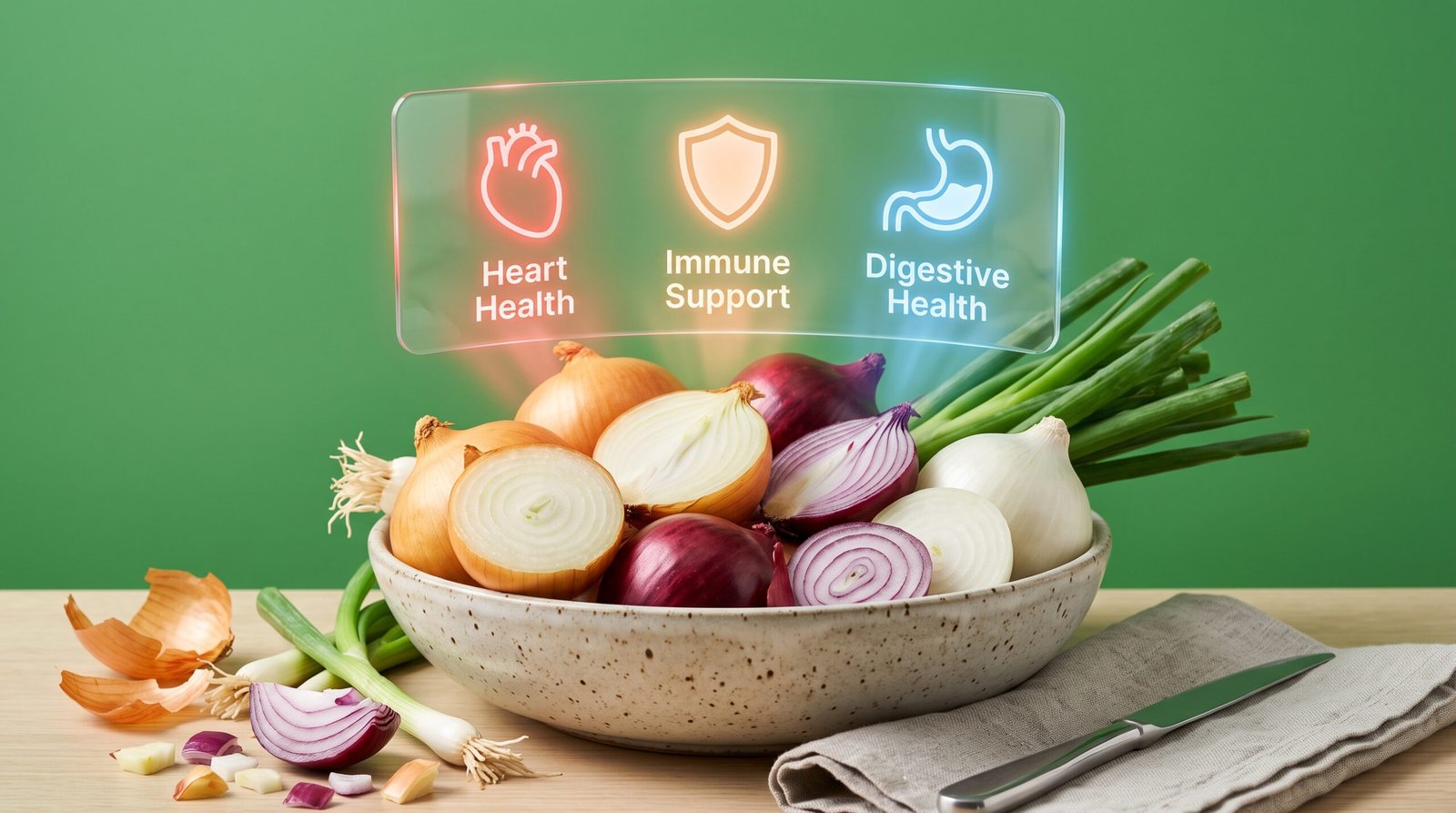
When it comes to building a healthy diet, many people focus on expensive superfoods, exotic fruits, or trendy supplements. However, some of the most powerful health-boosting foods are already sitting in our kitchens. One such everyday ingredient is the onion. Found in cuisines across the globe, onions are much more than a flavorful addition to meals—they are a nutritional powerhouse packed with vitamins, minerals, antioxidants, and bioactive plant compounds that support overall health.
Whether finely chopped into salads, caramelized for rich flavor, roasted with vegetables, blended into soups, or used as the base for countless savory dishes, onions have earned a permanent place in kitchens worldwide. Beyond their unmistakable taste and aroma, onions have been treasured for thousands of years for their medicinal properties. Ancient civilizations, including the Egyptians, Greeks, Romans, Indians, and Chinese, recognized onions not only as a staple food but also as a natural remedy for a wide range of ailments.
Today, modern scientific research supports many of these traditional beliefs. Studies have shown that onions contain powerful antioxidants, anti-inflammatory compounds, and sulfur-containing phytochemicals that may help protect against chronic diseases, improve heart health, strengthen the immune system, support digestive wellness, regulate blood sugar levels, and even contribute to healthy aging. One of the most well-known compounds found in onions is quercetin, a potent antioxidant that helps combat oxidative stress and inflammation within the body.
Another remarkable aspect of onions is their accessibility. Unlike many health foods that can be expensive or difficult to find, onions are affordable, widely available, and incredibly versatile. They can be incorporated into nearly every type of cuisine—from Mediterranean and Asian dishes to Middle Eastern, Latin American, and Western recipes. Their ability to enhance flavor naturally also allows people to reduce the amount of added salt or unhealthy sauces in their meals, making them a smart choice for anyone seeking a healthier lifestyle.
In recent years, growing awareness about preventive healthcare has encouraged more people to focus on nutrition as a key factor in maintaining long-term wellness. Instead of waiting for health problems to develop, many individuals are choosing foods that nourish the body and support its natural defenses. Onions perfectly fit this philosophy. Rich in essential nutrients and protective plant compounds, they offer a simple yet effective way to improve daily nutrition without drastically changing eating habits.
This comprehensive guide explores everything you need to know about onions, including their fascinating history, nutritional profile, different varieties, and the reasons they deserve a place in every healthy diet. In the following sections, we’ll examine how this humble vegetable supports vitality, promotes overall well-being, and contributes to a healthier, more balanced lifestyle.
What Are Onions?
Onions (Allium cepa) are edible bulb vegetables belonging to the Allium family, which also includes garlic, shallots, leeks, chives, and scallions. These vegetables are well known for their distinctive aroma, pungent flavor, and remarkable health-promoting properties.
An onion consists of several layers of fleshy leaves that grow around a central core. These layers store water and nutrients, allowing the plant to survive different environmental conditions. The outer papery skin protects the bulb from moisture loss and external damage, while the inner layers contain the nutrients and natural compounds that contribute to both flavor and health benefits.
One of the reasons onions are so unique is their sulfur-containing compounds. When an onion is cut, its cells break open and release enzymes that react with sulfur compounds, producing the familiar sharp aroma and causing tears. Although this reaction may seem inconvenient, these sulfur compounds are also responsible for many of the vegetable’s impressive health benefits.
From a culinary perspective, onions are among the most versatile ingredients available. Their flavor changes dramatically depending on how they are prepared:
- Raw onions provide a crisp texture and a sharp, spicy flavor, making them ideal for salads, sandwiches, wraps, burgers, and salsas.
- Sautéed onions become softer and sweeter, forming the flavorful base of soups, curries, stir-fries, pasta sauces, and rice dishes.
- Roasted onions develop a rich, caramelized sweetness that pairs beautifully with meats, seafood, and roasted vegetables.
- Grilled onions add a smoky depth of flavor to barbecue dishes and sandwiches.
- Pickled onions offer a tangy, refreshing taste that complements tacos, salads, and grain bowls.
Onions are grown in nearly every region of the world and are available throughout the year. Their affordability, long shelf life, and adaptability make them one of the most commonly consumed vegetables globally. Whether used as the main ingredient or simply as a flavor enhancer, onions contribute both taste and nutrition to countless recipes.
In addition to their culinary importance, onions have played a significant role in traditional medicine. Herbal practitioners have historically used onions to support respiratory health, improve circulation, promote digestion, and aid in wound healing. While modern medicine has evolved considerably, scientific research continues to investigate many of these traditional uses, with promising results.
Nutritional Profile of Onions
One of the greatest advantages of onions is that they provide an impressive array of nutrients while remaining naturally low in calories. This makes them an excellent choice for individuals seeking nutrient-dense foods that support overall health and healthy weight management.
Nutrition Per 100 Grams of Raw Onion
- Calories: Approximately 40
- Protein: 1.1 grams
- Carbohydrates: 9.3 grams
- Dietary Fiber: 1.7 grams
- Natural Sugars: 4.2 grams
- Fat: 0.1 grams
- Water: Approximately 89%
Because onions contain a high percentage of water, they help add volume and flavor to meals without significantly increasing calorie intake.
Essential Vitamins Found in Onions
Although onions are not the richest source of every vitamin, they provide several important nutrients that support normal body function:
- Vitamin C – Supports immune function, collagen production, and antioxidant protection.
- Vitamin B6 – Plays a role in energy metabolism, brain function, and red blood cell formation.
- Folate (Vitamin B9) – Essential for cell growth, DNA synthesis, and healthy fetal development during pregnancy.
- Vitamin B1 (Thiamine) – Helps convert food into energy and supports the nervous system.
- Vitamin K (small amounts) – Contributes to normal blood clotting and bone health.
Important Minerals
Onions also supply a variety of minerals that are essential for maintaining good health:
- Potassium
- Calcium
- Magnesium
- Phosphorus
- Iron
- Manganese
- Copper
- Selenium (trace amounts)
These minerals support healthy muscles, nerve function, bone strength, oxygen transport, and cellular metabolism.
Powerful Plant Compounds
The true nutritional strength of onions lies in their rich collection of bioactive compounds.
Quercetin
Quercetin is one of the most studied antioxidants found in onions. It helps neutralize harmful free radicals, reduce oxidative stress, and support cardiovascular health.
Sulfur Compounds
These natural compounds contribute to the characteristic aroma of onions and are believed to play a role in supporting heart health, immune function, and the body’s natural detoxification processes.
Flavonoids
Flavonoids possess antioxidant and anti-inflammatory properties that help protect healthy cells from damage.
Anthocyanins
Present mainly in red onions, anthocyanins are natural pigments with strong antioxidant activity that may support heart health and healthy aging.
Fructooligosaccharides (FOS)
These natural prebiotic fibers nourish beneficial gut bacteria, contributing to improved digestive health and a balanced gut microbiome.
The combination of vitamins, minerals, fiber, and plant compounds makes onions one of the most nutritionally valuable vegetables available.
The Fascinating History of Onions
The story of onions dates back thousands of years, making them one of the oldest cultivated vegetables in human history.
Archaeological evidence suggests that onions were consumed as early as 5,000 years ago, and some historians believe they may have been gathered from the wild even earlier. Their ability to grow in a wide range of climates, combined with their long storage life, made them an essential food source for ancient civilizations.
Ancient Egypt
The ancient Egyptians held onions in high regard. Because of their circular shape and concentric rings, onions symbolized eternity and everlasting life. They were often placed in tombs and even found among the belongings of pharaohs. Workers who built the pyramids are believed to have eaten onions regularly because they were thought to provide strength and endurance.
Ancient Greece
Greek athletes consumed onions before competitions, believing they enhanced physical performance and stamina. Historical records suggest that onions were eaten raw, cooked, or even used in medicinal preparations.
Roman Empire
The Romans expanded onion cultivation throughout Europe. Roman soldiers reportedly carried onions during military campaigns because they believed the vegetable promoted strength and resilience.
Traditional Asian Medicine
In India and China, onions have been valued for centuries in traditional healing systems. Ayurvedic medicine has long recognized onions for their warming properties and their potential to support digestion, circulation, and respiratory health.
Medieval Europe
During the Middle Ages, onions became one of the most important staple foods due to their affordability, nutritional value, and ability to be stored through long winters. They were so highly valued that they were occasionally used as gifts or even as a form of payment.
Today, onions remain one of the most widely cultivated vegetables in the world, with millions of tons produced annually across countries such as China, India, the United States, Egypt, Turkey, and Spain.
Types of Onions
Although many people simply think of “an onion” as a single vegetable, there are numerous varieties, each with unique flavors, textures, colors, and culinary uses.
Yellow Onions
Yellow onions are the most common variety found in supermarkets.
Characteristics
- Golden-brown outer skin
- White interior
- Balanced flavor
- Becomes naturally sweet when cooked
Best Uses
- Soups
- Stews
- Curries
- Pasta sauces
- Stir-fries
- Roasted vegetables
- Caramelized onions
Because of their versatility, yellow onions are often considered the all-purpose onion.
Red Onions
Red onions are easily recognized by their vibrant purple-red skin and reddish-white flesh.
Characteristics
- Mildly sweet
- Crisp texture
- Rich in anthocyanin antioxidants
Best Uses
- Salads
- Sandwiches
- Burgers
- Salsas
- Pickling
- Grain bowls
Their attractive color also makes dishes more visually appealing.
White Onions
White onions have a clean white skin and a sharper flavor than yellow onions.
Characteristics
- Crisp texture
- Mild to moderately pungent
- Smooth finish
Best Uses
- Mexican cuisine
- Fresh salsas
- Tacos
- Burritos
- Stir-fries
- Homemade sauces
Sweet Onions
Popular varieties such as Vidalia, Walla Walla, and Maui onions contain higher natural sugar levels and lower sulfur content.
Characteristics
- Mild flavor
- Juicy texture
- Less pungent
- Naturally sweet
Best Uses
- Onion rings
- Grilling
- Roasting
- Salads
- Sandwiches
Their pleasant sweetness makes them an excellent choice for people who dislike strong onions.
Shallots
Although technically a separate member of the Allium family, shallots are closely related to onions.
Characteristics
- Small bulbs
- Delicate flavor
- Slight garlic notes
Best Uses
- French cuisine
- Salad dressings
- Gourmet sauces
- Seafood dishes
- Fine dining recipes
Green Onions (Scallions)
Green onions are harvested before the bulb fully develops.
Characteristics
- Mild flavor
- Tender green tops
- Crisp white stems
Best Uses
- Garnishes
- Soups
- Fried rice
- Omelets
- Noodle dishes
- Asian cuisine
They add freshness and color without overwhelming the flavor of a dish.
Each variety of onion brings its own unique taste, texture, and nutritional value to the table. Including different types in your meals not only enhances flavor but also adds variety to your diet.
Science-Backed Health Benefits of Onions (Benefits 1–6)
1. Supports a Healthy Heart and Cardiovascular System
The heart is one of the hardest-working organs in the human body, pumping blood continuously throughout our lives. Maintaining cardiovascular health requires a combination of regular physical activity, healthy lifestyle habits, and a nutrient-rich diet. Among the many vegetables that support heart health, onions stand out because of their unique combination of antioxidants, sulfur-containing compounds, dietary fiber, and essential minerals.
Modern research suggests that people who consume more vegetables, particularly members of the Allium family like onions and garlic, often have a lower risk of developing cardiovascular diseases. While no single food can prevent heart disease on its own, onions can play an important role as part of an overall heart-healthy eating pattern.
Rich in Quercetin – A Powerful Antioxidant
One of the most valuable compounds found in onions is quercetin, a natural flavonoid with potent antioxidant and anti-inflammatory properties.
Oxidative stress occurs when harmful molecules known as free radicals outnumber the body’s natural defenses. Over time, oxidative stress can damage blood vessels, contribute to inflammation, and increase the risk of chronic diseases, including heart disease.
Quercetin helps protect the cardiovascular system by:
- Neutralizing harmful free radicals.
- Reducing inflammation inside blood vessels.
- Supporting healthy circulation.
- Helping protect artery walls from oxidative damage.
Red onions generally contain higher amounts of quercetin than some other varieties, making them an excellent addition to salads and fresh dishes.
Helps Maintain Healthy Blood Pressure
High blood pressure, also known as hypertension, is often called the “silent killer” because it may develop without noticeable symptoms while gradually damaging the heart, kidneys, and blood vessels.
Onions contribute to healthy blood pressure through several mechanisms.
Potassium
Potassium helps balance sodium levels in the body. A diet rich in potassium supports proper muscle function, including the muscles that regulate blood vessel contraction and relaxation.
Healthy potassium intake may help:
- Support normal blood pressure.
- Reduce excess sodium retention.
- Promote healthy circulation.
- Reduce strain on the heart.
Natural Plant Compounds
Certain sulfur-containing compounds naturally present in onions are also being studied for their ability to support healthy blood vessel function and circulation.
Supports Healthy Cholesterol Levels
Maintaining healthy cholesterol levels is another important factor in protecting the heart.
Although onions cannot replace prescribed treatments when needed, dietary fiber and antioxidants found in onions may help support healthy cholesterol balance as part of an overall nutritious diet.
Fiber helps reduce cholesterol absorption in the digestive tract, while antioxidants protect cholesterol particles from oxidative damage.
May Help Reduce Inflammation
Chronic inflammation is increasingly recognized as one of the contributing factors in many long-term health conditions, including cardiovascular disease.
Onions contain:
- Quercetin
- Flavonoids
- Polyphenols
- Organosulfur compounds
Together, these natural compounds help support the body’s normal inflammatory response.
Easy Ways to Include Onions for Heart Health
Adding onions to your meals doesn’t require major dietary changes.
Try:
- Adding sliced red onions to fresh salads.
- Sautéing onions with olive oil as a base for soups.
- Including onions in vegetable stir-fries.
- Roasting onions alongside carrots, zucchini, and bell peppers.
- Mixing chopped onions into homemade bean salads.
Small daily habits like these can contribute to long-term cardiovascular wellness.
2. Strengthens the Immune System Naturally
Our immune system works around the clock to protect the body against bacteria, viruses, fungi, and other harmful microorganisms. A strong immune system depends on many factors, including adequate sleep, regular exercise, stress management, and proper nutrition.
Onions contain a variety of nutrients that support healthy immune function and help the body respond effectively to everyday health challenges.
Excellent Source of Vitamin C
Although citrus fruits are often considered the primary source of vitamin C, onions also contribute meaningful amounts of this essential vitamin.
Vitamin C plays several important roles, including:
- Supporting the production of white blood cells.
- Protecting immune cells from oxidative damage.
- Promoting wound healing.
- Supporting collagen production.
- Enhancing the body’s natural defense mechanisms.
Regular consumption of vitamin C-rich foods contributes to a healthy immune response.
Rich in Antioxidants
Every day, our bodies are exposed to environmental pollutants, stress, poor dietary choices, and normal metabolic processes that generate free radicals.
Excessive free radical activity may weaken healthy cells over time.
The antioxidants present in onions help neutralize these unstable molecules before they can cause significant cellular damage.
Important antioxidants include:
- Quercetin
- Anthocyanins (especially in red onions)
- Flavonoids
- Polyphenols
- Vitamin C
Together, these compounds help maintain healthy immune cells and reduce oxidative stress.
Natural Antibacterial Properties
For centuries, onions have been used in traditional medicine because of their natural antimicrobial properties.
Although onions should never replace medical treatment for infections, laboratory studies suggest that certain sulfur compounds found in onions may help inhibit the growth of some harmful microorganisms.
This traditional reputation has contributed to onions being used in many home remedies across different cultures.
Supports Healthy Respiratory Function
Throughout history, onions have commonly been used to support respiratory comfort during seasonal illnesses.
Warm onion-based soups remain popular around the world because they provide:
- Hydration
- Comfort
- Nutrients
- Antioxidants
Combined with an overall healthy diet, onions may contribute to maintaining normal respiratory health.
Helps the Body Recover from Daily Stress
Physical exercise, emotional stress, environmental pollution, and even normal aging place demands on the immune system.
Antioxidants found in onions help protect healthy cells during these everyday challenges.
Supporting the body’s natural antioxidant defenses contributes to overall wellness rather than targeting a single organ.
Simple Ways to Boost Immunity with Onions
You can easily include onions in your daily meals by:
- Adding chopped onions to omelets.
- Preparing homemade vegetable soups.
- Mixing onions into fresh salads.
- Including onions in sandwiches and wraps.
- Cooking onions with lean meats, beans, or lentils.
Because onions pair well with almost every savory dish, they’re one of the easiest vegetables to eat regularly.
3. Promotes Better Digestive Health and a Healthy Gut
A healthy digestive system is essential for overall well-being. It allows the body to absorb nutrients efficiently, eliminate waste properly, and support a balanced immune system.
One of the reasons onions are considered beneficial for digestive health is their combination of dietary fiber and natural prebiotic compounds.
Dietary Fiber Supports Regular Digestion
Fiber plays a crucial role in maintaining healthy digestion.
Onions provide dietary fiber that helps:
- Promote regular bowel movements.
- Prevent constipation.
- Improve stool consistency.
- Support long-term digestive comfort.
Unlike processed foods that are often low in fiber, onions contribute valuable plant-based nutrition to meals.
Natural Prebiotics Feed Good Gut Bacteria
Perhaps the most unique digestive benefit of onions comes from their natural prebiotic fibers, particularly fructooligosaccharides (FOS) and inulin.
Unlike probiotics, which are beneficial bacteria themselves, prebiotics serve as food for the healthy bacteria already living in the digestive tract.
A balanced gut microbiome supports:
- Better digestion.
- Improved nutrient absorption.
- Healthy immune function.
- Normal bowel regularity.
- Overall digestive wellness.
Scientists continue to discover new ways in which gut bacteria influence many aspects of health beyond digestion.
Encourages Better Nutrient Absorption
A healthy digestive system is not only responsible for breaking down food but also for absorbing vitamins and minerals efficiently.
By supporting beneficial gut bacteria, onions indirectly contribute to better utilization of nutrients obtained from the rest of the diet.
May Help Reduce Digestive Inflammation
The antioxidants and plant compounds present in onions help support the body’s normal inflammatory response.
While onions are not a treatment for digestive disorders, including antioxidant-rich vegetables as part of a balanced eating pattern supports overall gastrointestinal health.
Supports Healthy Bowel Function
The combination of:
- Water
- Dietary fiber
- Natural plant compounds
helps maintain smooth digestive function and supports regular elimination.
People who gradually increase their intake of vegetables often notice improvements in digestive comfort over time.
Important Note About Digestive Sensitivity
Although onions offer many digestive benefits, some individuals may experience gas or bloating after eating large amounts, particularly raw onions.
This occurs because onions contain fermentable carbohydrates (FODMAPs), which can be difficult for some people to digest.
Individuals with sensitive digestive systems or conditions such as Irritable Bowel Syndrome (IBS) may tolerate cooked onions better than raw ones.
Easy Ways to Improve Gut Health with Onions
Healthy ways to include onions in your meals include:
- Mixing chopped onions into vegetable salads.
- Cooking onions into soups and stews.
- Adding onions to homemade sauces.
- Including onions in lentil and bean dishes.
- Preparing roasted vegetables with onions and herbs.
Consistently including onions alongside other fiber-rich foods helps create a diverse and nourishing diet that supports long-term digestive wellness.
What’s Coming Next
In Part 2B, we’ll continue exploring the remaining major health benefits of onions, including:
- Supports Healthy Blood Sugar Levels
- Helps with Weight Management
- Promotes Strong Bones
- May Reduce the Risk of Certain Chronic Diseases
- Supports Healthy Skin and Hair
- Rich in Powerful Antioxidants That Promote Healthy Aging
These sections will provide an even deeper understanding of why onions deserve a place in a healthy, balanced diet.
4. Helps Support Healthy Blood Sugar Levels
Maintaining healthy blood sugar levels is essential for overall well-being. Stable blood glucose provides the body with a steady source of energy, supports brain function, and helps reduce the risk of long-term health complications. While medication and professional medical care are essential for individuals with diabetes, diet also plays a significant role in blood sugar management.
Onions are naturally low in calories, contain relatively few carbohydrates, and provide dietary fiber and beneficial plant compounds that make them an excellent addition to a balanced eating plan.
Low Glycemic Impact
Unlike refined carbohydrates such as white bread, sugary snacks, or soft drinks, onions have a relatively low glycemic impact. This means they do not cause rapid spikes in blood sugar when consumed as part of a balanced meal.
Adding onions to meals rich in lean protein, healthy fats, and whole grains may contribute to more stable blood sugar responses.
Dietary Fiber Supports Blood Sugar Balance
Fiber is one of the most important nutrients for healthy blood sugar management.
The fiber found in onions helps:
- Slow the digestion of carbohydrates.
- Reduce rapid glucose absorption.
- Promote longer-lasting feelings of fullness.
- Support better appetite control.
Although onions are not exceptionally high in fiber compared with some vegetables, every source of dietary fiber contributes to an overall healthy eating pattern.
Sulfur Compounds and Quercetin
Researchers continue to study onion compounds such as:
- Quercetin
- Organosulfur compounds
- Flavonoids
Laboratory and animal studies suggest these natural compounds may support healthy glucose metabolism. While human research is still evolving, the findings are promising and reinforce the value of including onions as part of a nutrient-rich diet.
A Smart Choice for Balanced Meals
Onions can easily be incorporated into meals that support healthy blood sugar.
Examples include:
- Vegetable omelets
- Lentil soup
- Stir-fried vegetables
- Grilled chicken with roasted onions
- Bean salads
- Whole-grain wraps
- Homemade vegetable curries
Instead of relying on processed sauces filled with added sugar, onions naturally enhance flavor without unnecessary calories.
5. Supports Healthy Weight Management
Maintaining a healthy body weight is about more than simply counting calories. Sustainable weight management depends on choosing foods that nourish the body, satisfy hunger, and provide lasting energy.
Onions are an excellent example of a food that delivers significant nutritional value while remaining naturally low in calories.
Naturally Low in Calories
One hundred grams of raw onion contains only around 40 calories, making onions an easy ingredient to include in weight-conscious meals.
Because onions add volume, flavor, and texture without significantly increasing calorie intake, they can help create satisfying meals.
High Water Content
Onions consist of nearly 89% water, which contributes to meal volume.
Water-rich foods often help people feel fuller while consuming fewer calories.
Examples of other water-rich vegetables include:
- Cucumbers
- Tomatoes
- Lettuce
- Celery
- Zucchini
Combining these vegetables with onions creates nutrient-dense meals that support healthy eating habits.
Supports Satiety
The combination of:
- Water
- Dietary fiber
- Natural flavor
helps improve meal satisfaction.
Flavorful meals often reduce the desire for excessive sauces, processed seasonings, and high-calorie condiments.
A Healthier Alternative to Processed Ingredients
Many processed foods rely heavily on salt, sugar, and artificial flavor enhancers.
Onions naturally enhance the taste of food, allowing you to prepare delicious meals with fewer processed ingredients.
Examples include:
- Homemade soups
- Vegetable stir-fries
- Fresh salads
- Grain bowls
- Lean meat dishes
- Roasted vegetables
Replacing processed flavorings with fresh onions is a simple step toward healthier eating.
6. Promotes Strong Bones
Strong bones depend on much more than calcium alone.
Bone health is influenced by a combination of nutrients, physical activity, hormonal balance, and overall dietary quality.
Although onions are not commonly associated with bone health, research suggests they may contribute in several ways.
Rich in Protective Plant Compounds
The antioxidants found in onions help reduce oxidative stress throughout the body.
Reducing oxidative stress may support the normal processes involved in maintaining healthy bone tissue.
Supports Healthy Aging
As people age, maintaining bone density becomes increasingly important.
Eating a diet rich in vegetables, fruits, legumes, whole grains, and healthy proteins provides nutrients that support lifelong skeletal health.
Including onions alongside foods rich in calcium and vitamin D contributes to a balanced dietary pattern.
Contains Small Amounts of Important Minerals
Onions provide modest amounts of minerals involved in bone health, including:
- Calcium
- Magnesium
- Phosphorus
- Potassium
While these amounts are not extremely high, every nutrient contributes to overall dietary intake.
Best Foods to Pair with Onions for Bone Health
For even greater nutritional value, combine onions with foods such as:
- Spinach
- Broccoli
- Kale
- Yogurt
- Cheese
- Salmon
- Beans
- Tofu
Together, these foods provide a broader range of nutrients that support healthy bones.
7. May Help Reduce the Risk of Certain Chronic Diseases
One of the biggest reasons health professionals recommend eating more vegetables is their potential role in supporting long-term health.
Onions contain a wide variety of naturally occurring compounds that help protect healthy cells from everyday damage caused by free radicals and chronic inflammation.
Antioxidants Protect Healthy Cells
Free radicals are unstable molecules produced during normal metabolism.
Additional free radicals are generated through:
- Smoking
- Air pollution
- Excessive alcohol intake
- Poor diet
- Chronic stress
- UV radiation
Over time, excessive oxidative stress may contribute to chronic health conditions.
The antioxidants found in onions help neutralize these molecules before they can damage healthy cells.
Anti-Inflammatory Properties
Persistent low-grade inflammation has been associated with numerous chronic diseases.
Quercetin and other flavonoids found in onions help support the body’s normal inflammatory response.
Although onions are not a cure or treatment for disease, including anti-inflammatory foods as part of an overall healthy diet supports long-term wellness.
Supports Cellular Health
Healthy cells constantly repair themselves.
Providing the body with nutrient-rich foods helps support these natural repair processes.
Onions contribute:
- Vitamins
- Minerals
- Antioxidants
- Sulfur compounds
- Polyphenols
Together, these nutrients help maintain healthy cellular function throughout the body.
8. Rich in Antioxidants That Support Healthy Aging
Aging is a natural part of life, but lifestyle choices strongly influence how the body ages over time.
Nutrition plays an important role in protecting cells from cumulative damage.
Among vegetables, onions are considered an excellent source of protective antioxidants.
Quercetin – One of Nature’s Most Studied Antioxidants
Quercetin has received considerable attention in scientific research because of its antioxidant properties.
Its functions include helping protect healthy cells from oxidative stress and supporting the body’s natural defense systems.
Anthocyanins in Red Onions
Red onions contain anthocyanins, the natural pigments responsible for their beautiful purple-red color.
Anthocyanins have been associated with:
- Cellular protection.
- Healthy circulation.
- Support for brain health.
- Healthy aging.
These colorful plant compounds are also found in blueberries, blackberries, cherries, and purple cabbage.
Supports Healthy Skin
Healthy skin begins with proper nutrition.
The nutrients found in onions contribute to:
- Normal collagen production (through vitamin C).
- Protection against oxidative damage.
- Healthy skin structure.
- Overall skin wellness.
Although skincare products can help protect the outside of the skin, nutrition nourishes it from within.
Supports Healthy Hair
Onions contain nutrients involved in normal hair health, including vitamin C and sulfur-containing compounds.
Sulfur contributes to the structure of proteins such as keratin, which is an important component of healthy hair.
Eating nutrient-rich foods supports overall hair health as part of a balanced diet.
Supports Healthy Brain Function
Oxidative stress also affects brain cells.
The antioxidants found in onions help support overall cellular health, including the nervous system.
Combined with regular exercise, quality sleep, stress management, and a balanced diet, antioxidant-rich vegetables contribute to healthy cognitive aging.
Why You Should Eat Onions Regularly
Adding onions to your meals doesn’t require expensive supplements or major dietary changes.
Simple habits such as:
- Including onions in salads.
- Cooking onions into soups.
- Adding onions to stir-fries.
- Roasting onions with vegetables.
- Mixing onions into omelets.
- Preparing homemade salsa.
- Using onions in bean dishes.
can significantly improve both flavor and nutritional quality.
Because onions pair well with nearly every savory cuisine, they’re one of the easiest vegetables to include consistently.
Potential Risks and Side Effects of Eating Onions
Onions are generally considered safe and highly nutritious for most healthy individuals. However, there are a few situations where caution may be necessary.
1. Digestive Discomfort and Bloating
One of the most common side effects of eating onions—especially raw onions—is digestive discomfort.
Onions contain naturally occurring carbohydrates known as FODMAPs (Fermentable Oligosaccharides, Disaccharides, Monosaccharides, and Polyols). In some people, particularly those with Irritable Bowel Syndrome (IBS) or sensitive digestive systems, these carbohydrates can be difficult to digest.
Possible symptoms include:
- Bloating
- Gas
- Stomach cramps
- Abdominal discomfort
- Increased intestinal gas
How to Reduce This Problem
Fortunately, there are several simple ways to reduce digestive discomfort:
- Cook onions instead of eating them raw.
- Start with small portions.
- Pair onions with other vegetables.
- Drink plenty of water.
- Avoid eating excessive amounts in one sitting.
Cooking softens the fibers and reduces some of the compounds responsible for digestive irritation.
2. Heartburn and Acid Reflux
Some individuals with gastroesophageal reflux disease (GERD) may notice that onions trigger symptoms such as:
- Heartburn
- Acid reflux
- Chest discomfort
- Indigestion
Raw onions tend to be more likely to cause symptoms than cooked onions.
If you have chronic acid reflux, it may be helpful to observe how your body responds and consult your healthcare provider if symptoms persist.
3. Allergic Reactions
Although rare, onion allergies do exist.
Possible symptoms include:
- Skin rash
- Itching
- Swelling of the lips or face
- Difficulty breathing
- Digestive discomfort
Anyone experiencing severe allergic symptoms should seek immediate medical attention.
4. Eye Irritation While Cutting Onions
Almost everyone has experienced watery eyes while chopping onions.
This happens because cutting an onion releases sulfur-containing compounds that react with moisture in the eyes, forming a mild irritating gas.
Helpful Tips
Reduce eye irritation by:
- Using a very sharp knife.
- Chilling onions before cutting.
- Cutting near good ventilation.
- Wearing protective kitchen glasses if necessary.
5. Interaction with Certain Medications
Onions contain vitamin K and other bioactive compounds.
People taking:
- Blood-thinning medications
- Certain diabetes medications
should avoid making major dietary changes without discussing them with their healthcare provider.
Consistency is often more important than complete avoidance.
Healthy Ways to Enjoy Onions Every Day
One of the greatest advantages of onions is their incredible versatility.
Unlike many vegetables that require special preparation, onions can easily become part of nearly every meal.
Healthy cooking methods include:
- Roasting
- Steaming
- Grilling
- Baking
- Stir-frying with minimal oil
- Air frying
- Adding to soups
- Adding to stews
Avoid deep frying onions regularly, as this significantly increases calories and unhealthy fats.
8 Quick and Nutritious Onion Recipes
1. Classic Onion Salad
Ingredients
- 2 red onions (thinly sliced)
- Lemon juice
- Fresh coriander
- Black pepper
- A pinch of sea salt
A refreshing side dish that pairs well with grilled chicken, fish, or lentils.
2. Caramelized Onions
Slowly cook sliced yellow onions in a small amount of olive oil until they become soft, golden, and naturally sweet.
Serve with:
- Whole-grain sandwiches
- Grilled vegetables
- Lean meats
- Homemade burgers
3. French Onion Soup (Healthy Version)
Prepare a lighter version using:
- Onions
- Garlic
- Low-sodium vegetable broth
- Fresh thyme
- Whole-grain toasted bread
- Reduced-fat cheese
4. Roasted Mixed Vegetables
Combine:
- Onions
- Broccoli
- Carrots
- Zucchini
- Bell peppers
Drizzle with olive oil and herbs before roasting until tender.
5. Vegetable Omelet
Mix chopped onions with:
- Spinach
- Mushrooms
- Tomatoes
- Eggs
A protein-rich breakfast that keeps you energized for hours.
6. Onion and Lentil Curry
Cook onions with:
- Garlic
- Ginger
- Tomatoes
- Lentils
- Turmeric
- Cumin
Serve with brown rice or whole-grain flatbread.
7. Homemade Salsa
Combine:
- Red onions
- Tomatoes
- Cilantro
- Lime juice
- Jalapeños
Perfect for grilled fish or baked tortilla chips.
8. Stuffed Baked Onions
Large onions can be hollowed out and filled with:
- Brown rice
- Mushrooms
- Spinach
- Herbs
- Lean ground turkey (optional)
Bake until tender for a nutritious main course.
How to Buy the Freshest Onions
Choosing high-quality onions ensures better flavor and longer storage life.
Look for onions that have:
- Firm texture
- Dry, papery outer skin
- No soft spots
- No mold
- No green shoots
- Heavy weight for their size
Avoid onions that feel soft, have bruises, or show signs of moisture.
How to Store Onions Properly
Proper storage helps preserve freshness and flavor.
Whole Onions
Store in:
- A cool place
- A dry environment
- Good ventilation
- Away from direct sunlight
Avoid storing whole onions in sealed plastic bags, as trapped moisture encourages spoilage.
Cut Onions
After cutting:
- Wrap tightly.
- Place in an airtight container.
- Refrigerate immediately.
- Use within 5–7 days.
Can You Freeze Onions?
Yes.
Chopped onions can be frozen in airtight freezer bags for several months.
Frozen onions work especially well in:
- Soups
- Stews
- Sauces
- Stir-fries
Frequently Asked Questions (FAQs)
Can I eat onions every day?
Yes. For most healthy adults, eating onions daily as part of a balanced diet is safe and beneficial.
Which onion is the healthiest?
All onions provide valuable nutrients.
However:
- Red onions contain higher levels of anthocyanins and quercetin.
- Yellow onions are rich in sulfur compounds and are excellent for cooking.
- White onions offer a milder flavor and are popular in fresh dishes.
Including a variety of onion types provides the broadest range of nutrients.
Are raw onions healthier than cooked onions?
Both forms offer health benefits.
Raw onions retain slightly more vitamin C, while cooking makes them easier to digest and enhances their natural sweetness.
The healthiest choice depends on your personal preferences and digestive tolerance.
Can onions help with weight loss?
Onions are naturally low in calories and provide fiber and water, making them a helpful addition to a weight-management plan.
However, lasting weight loss depends on an overall healthy lifestyle rather than any single food.
Do onions boost the immune system?
Onions contain vitamin C, antioxidants, and beneficial plant compounds that support normal immune function as part of a balanced diet.
Are onions good for people with diabetes?
Onions can be included in a diabetes-friendly meal plan because they are relatively low in carbohydrates and rich in nutrients.
Individuals with diabetes should always follow personalized dietary advice from their healthcare provider.
Why do onions make you cry?
When onions are cut, sulfur-containing compounds are released into the air. These compounds react with moisture in your eyes, creating a mild irritant that stimulates tear production.
Can children eat onions?
Yes. Cooked onions are generally suitable for children when introduced as part of a balanced diet appropriate for their age.
Conclusion
Onions may seem like a simple kitchen staple, but their nutritional value is truly extraordinary. Rich in vitamins, minerals, dietary fiber, antioxidants, and powerful sulfur-containing compounds, onions contribute to many aspects of overall health. From supporting heart health and strengthening the immune system to promoting healthy digestion, weight management, balanced blood sugar levels, and healthy aging, onions have earned their reputation as one of the world’s most beneficial vegetables.
Another reason onions deserve a place in every kitchen is their remarkable versatility. They can be enjoyed raw in salads, lightly sautéed, roasted until naturally sweet, grilled alongside vegetables, blended into soups, or used as the flavorful foundation of countless recipes from around the world. Their ability to enhance taste while adding valuable nutrients makes healthy eating both enjoyable and practical.
It’s important to remember that no single food can provide every nutrient your body needs or prevent disease on its own. The greatest health benefits come from following a balanced diet that includes a wide variety of fruits, vegetables, whole grains, lean proteins, legumes, nuts, seeds, and healthy fats. Regular physical activity, quality sleep, adequate hydration, and routine medical check-ups are equally important for maintaining long-term wellness.
By making onions a regular part of your meals, you’re embracing one of nature’s simplest yet most powerful nutritional gifts. Whether you’re preparing a quick weekday dinner or an elaborate family meal, adding onions is an easy step toward improving both the flavor of your food and the quality of your overall diet. Small, consistent choices like this can have a meaningful impact on your health over time.
Medical Disclaimer
Medical Disclaimer: The information provided on Sourves (https://sourves.com/) is for educational and informational purposes only. It is not intended to be a substitute for professional medical advice, diagnosis, or treatment. Always seek the advice of your physician or other qualified health provider with any questions you may have regarding a medical condition. Never disregard professional medical advice or delay in seeking it because of something you have read on this website.