
We know that finding the time and energy to build a perfectly balanced diet can feel like a heavy burden. However, nourishing your body does not have to involve complex meal plans or hard-to-find ingredients. If you are looking for a single, impactful ingredient to elevate your everyday meals, kale is an exceptional choice.
Often celebrated as a nutritional powerhouse, this robust leafy green can easily seamlessly integrate into your routine. In this article, we will uncover the rich nutritional profile of kale, its remarkable health benefits, and some simple, delicious recipes to make eating greens enjoyable.
The Nutritional Profile of Kale
Kale belongs to the cruciferous vegetable family, putting it in the same highly nutritious category as broccoli and Brussels sprouts. It is incredibly dense in nutrients while remaining very low in calories, making it one of the most efficient ways to fuel your body.
A single cup of raw, chopped kale delivers a remarkable array of essential nutrients:
-
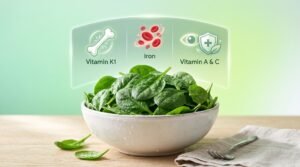
Vitamin K1: Essential for healthy blood clotting mechanisms and maintaining strong bones.
-
Vitamin A (from beta-carotene): A core nutrient that supports healthy vision, cellular growth, and immune defense.
-
Vitamin C: A potent antioxidant that helps synthesize collagen and supports overall immune function.
-
Manganese: A vital mineral that assists in amino acid, cholesterol, and carbohydrate metabolism.
-
Calcium: Important for bone density and proper cellular signaling, and the calcium in kale is highly absorbable.
-
Antioxidants: Packed with flavonoids like quercetin and kaempferol, which help neutralize cellular damage.
Health Benefits and Disease Prevention
Incorporating kale into your diet offers a wide spectrum of science-backed benefits. Here is how this sturdy green vegetable safely supports your long-term wellness.
1. Supports Heart Health and Circulation
Keeping your cardiovascular system functioning optimally is crucial. Kale contains substances called bile acid sequestrants, which can bind bile acids in the digestive tract and prevent them from being reabsorbed. This natural process may help lower overall cholesterol levels, which in turn supports healthy blood vessels and a strong heart over time.
2. Promotes Bone Strength and Density
While dairy often gets the spotlight for bone health, kale is an incredible plant-based alternative. It is heavily loaded with Vitamin K, a nutrient that works alongside calcium to support bone mineralization. Regular intake of kale may help preserve bone density and reduce the risk of structural weakness as you age.
3. Boosts Your Immune System
Your immune system relies heavily on a steady intake of vitamins to function at its peak. Because kale is an outstanding source of both Vitamin C and beta-carotene, it provides the fundamental building blocks your white blood cells need. This supports your body’s natural ability to ward off common colds and everyday infections.
4. Protects Eye Health and Vision
As we age, our eyes are subjected to continuous environmental stress and blue light exposure. Kale is rich in lutein and zeaxanthin, two powerful antioxidants that naturally accumulate in the retina. These nutrients support eye health by acting as a protective light filter, which may help preserve clear vision over the years.
5. Fights Oxidative Stress and Cellular Aging
Every day, our bodies are exposed to free radicals from the environment, leading to oxidative stress and natural aging. The high concentration of flavonoids in kale, particularly quercetin, acts as a cellular shield. These antioxidants safely neutralize free radicals, helping to reduce systemic inflammation and support healthy aging.
Potential Risks & Side Effects
While kale is a fantastic addition to almost any diet, it is important to be mindful of a few specific precautions. Understanding these will help you incorporate kale safely.
-
Blood Thinning Medications: Kale is exceptionally high in Vitamin K1, which naturally promotes blood clotting. If you are taking blood thinners like Warfarin, suddenly eating large amounts of kale can interfere with your medication. It is essential to maintain a consistent Vitamin K intake and consult your physician.
-
Thyroid Sensitivities: Like other cruciferous vegetables, raw kale contains goitrogens, which can temporarily affect thyroid function if consumed in massive quantities. If you have an underactive thyroid, simply cooking or lightly steaming your kale deactivates these compounds, making it entirely safe to eat.
Easy Recipes and Daily Application Tips
You do not have to force yourself to eat raw, bitter salads to get the benefits of kale. Here are a few practical, highly delicious ways to make this superfood a daily staple:
-
Massaged Kale Salad: Raw kale can be tough. To soften it, remove the hard stems, chop the leaves, and massage them with your hands for a few minutes using a drizzle of olive oil and a pinch of salt. This breaks down the tough fibers and makes it beautifully tender.
-
Crispy Oven-Baked Kale Chips: Toss torn kale leaves in a light coating of olive oil, sea salt, and garlic powder. Bake at 300°F (150°C) for 10-15 minutes until perfectly crispy. It is a fantastic, savory alternative to potato chips.
-
Sneaky Smoothie Addition: Remove the stems and drop a handful of fresh kale leaves into a blender with bananas, berries, and almond milk. The fruit completely masks the earthy flavor, giving you a massive nutrient boost.
-
Quick Garlic Sauté: Heat a little olive oil in a pan, add minced garlic, and toss in chopped kale. Sauté for just 3-5 minutes until wilted, and finish with a squeeze of fresh lemon juice for a warm, comforting side dish.
Conclusion
Kale is undeniably one of the most nutrient-dense foods you can place on your plate. From fortifying your bones and shielding your vision to supporting a healthy heart, the benefits of this leafy green are truly extraordinary. By experimenting with simple recipes and preparation methods, you can easily turn kale into a delicious, supportive part of your daily wellness journey.
Medical Disclaimer: The information provided on Sourves (https://sourves.com/) is for educational and informational purposes only. It is not intended to be a substitute for professional medical advice, diagnosis, or treatment. Always seek the advice of your physician or other qualified health provider with any questions you may have regarding a medical condition. Never disregard professional medical advice or delay in seeking it because of something you have read on this website.