
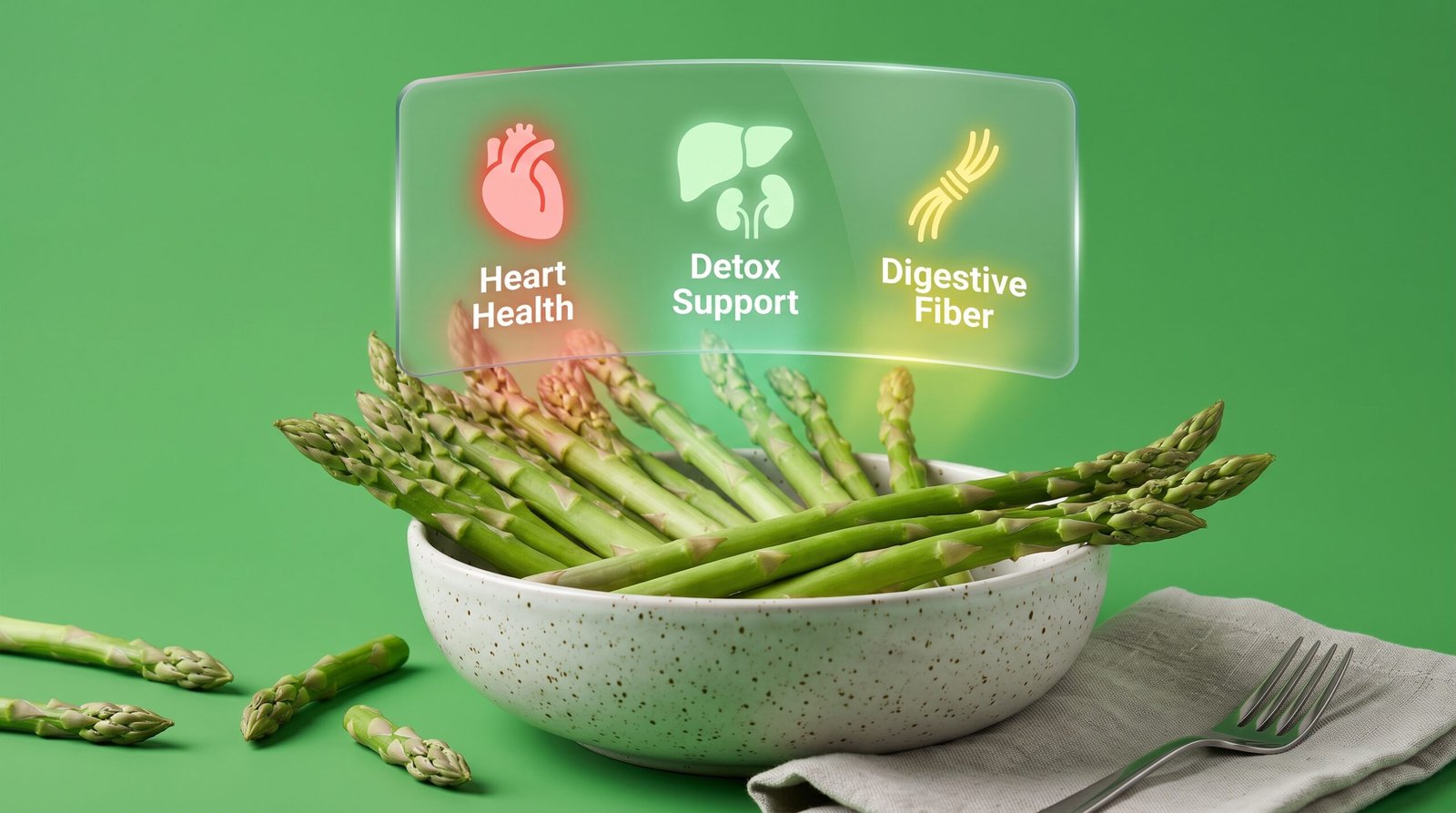
Asparagus has long been celebrated as one of the healthiest vegetables in the world, yet it often doesn’t receive the attention it truly deserves. While leafy greens, berries, and broccoli are commonly praised for their nutritional value, asparagus quietly stands among the top superfoods that can significantly contribute to overall health. Its unique combination of vitamins, minerals, antioxidants, fiber, and plant compounds makes it an exceptional addition to any healthy diet.
For centuries, asparagus has been valued in traditional medicine and culinary cultures across Europe, Asia, and the Mediterranean. Today, modern nutritional science continues to support many of its traditional uses, particularly its role in promoting cardiovascular wellness, supporting the body’s natural detoxification processes, improving digestion, and strengthening the immune system.
Heart disease remains one of the leading causes of death worldwide, while modern lifestyles expose our bodies to increasing levels of toxins, pollution, processed foods, and chronic stress. These factors place extra pressure on our cardiovascular system, liver, kidneys, and immune defenses. Fortunately, nature provides nutrient-rich foods that help support these vital organs, and asparagus is one of the finest examples.
This elegant green vegetable contains remarkable amounts of folate, potassium, vitamin K, vitamin C, dietary fiber, glutathione, flavonoids, and numerous antioxidants that work together to protect cells from damage, reduce inflammation, and promote better overall health. Whether you’re trying to lower your risk of heart disease, improve digestion, support healthy blood pressure, or simply enjoy a more nutritious lifestyle, asparagus deserves a regular place on your plate.
In this comprehensive guide, you’ll discover everything you need to know about asparagus, including its nutritional profile, science-backed health benefits, potential risks, delicious recipes, storage tips, and frequently asked questions.
What is Asparagus?
Asparagus (Asparagus officinalis) is a perennial flowering plant cultivated primarily for its young edible shoots. These tender spears emerge from underground crowns during the spring and are harvested before they mature into fern-like plants.
Although green asparagus is the most commonly available variety, it also comes in white and purple forms. White asparagus is grown underground to prevent chlorophyll production, resulting in a milder flavor, while purple asparagus contains additional anthocyanin antioxidants that give it its vibrant color.
Asparagus belongs to the lily family, which also includes onions, garlic, and leeks. Its delicate flavor, tender texture, and remarkable versatility make it a favorite ingredient in salads, soups, stir-fries, grilled dishes, pasta, and healthy side dishes.
Beyond its culinary appeal, asparagus has been used in traditional herbal medicine for centuries to support kidney function, digestive health, and overall vitality.
Nutritional Profile of Asparagus
Despite being incredibly low in calories, asparagus is packed with essential nutrients that contribute to overall health.
Nutrition Per 100 Grams
- Calories: Approximately 20
- Protein: 2.2 grams
- Carbohydrates: 3.9 grams
- Dietary Fiber: 2.1 grams
- Fat: 0.1 grams
- Water: Around 93%
Rich in Essential Vitamins
- Vitamin K
- Vitamin C
- Vitamin A
- Vitamin E
- Folate (Vitamin B9)
- Vitamin B1 (Thiamine)
- Vitamin B2 (Riboflavin)
- Vitamin B6
Important Minerals
- Potassium
- Iron
- Calcium
- Magnesium
- Phosphorus
- Zinc
- Copper
- Selenium
Powerful Plant Compounds
- Glutathione
- Quercetin
- Kaempferol
- Saponins
- Flavonoids
- Polyphenols
- Chlorophyll
- Inulin (a prebiotic fiber)
These nutrients work together to support cardiovascular health, healthy aging, detoxification, immunity, and digestive wellness.
1. Supports a Healthy Heart
One of the biggest reasons nutrition experts recommend asparagus is its outstanding contribution to cardiovascular health.
Heart disease develops over many years due to factors such as high blood pressure, elevated cholesterol, chronic inflammation, oxidative stress, poor diet, and lack of physical activity. Asparagus contains several nutrients that help address many of these risk factors.
Rich in Potassium
Potassium helps regulate blood pressure by balancing sodium levels within the body. A potassium-rich diet supports healthy blood vessel function and reduces strain on the cardiovascular system.
Excellent Source of Folate
Folate helps reduce homocysteine levels in the bloodstream. Elevated homocysteine has been associated with an increased risk of cardiovascular disease.
High in Fiber
Dietary fiber helps maintain healthy cholesterol levels by reducing the absorption of excess cholesterol in the digestive tract.
Powerful Antioxidants
Compounds such as quercetin and glutathione help protect blood vessels from oxidative stress and inflammation.
Regularly consuming asparagus as part of a heart-healthy diet may contribute to improved cardiovascular wellness over time.
2. Promotes Natural Detoxification
One of asparagus’s most remarkable qualities is its ability to support the body’s natural detoxification systems.
Contrary to popular myths, detoxification isn’t achieved through expensive detox drinks or restrictive cleanses. Instead, your liver, kidneys, digestive tract, lungs, and skin naturally remove waste products every day.
Asparagus provides nutrients that help these organs function efficiently.
Glutathione
Known as the body’s “master antioxidant,” glutathione plays a critical role in neutralizing harmful free radicals and supporting liver detoxification.
Natural Diuretic Effect
Asparagus contains the amino acid asparagine, which acts as a natural diuretic. This encourages healthy urine production, helping eliminate excess sodium and waste products.
Fiber
Dietary fiber promotes regular bowel movements, allowing waste materials to leave the digestive system efficiently.
Together, these properties make asparagus an excellent food for supporting the body’s natural cleansing processes.
3. Improves Digestive Health
Healthy digestion is essential for nutrient absorption, immunity, and overall well-being.
Asparagus contains both soluble and insoluble fiber, which work together to support digestive health.
Benefits Include
- Promotes regular bowel movements
- Helps prevent constipation
- Supports beneficial gut bacteria
- Improves nutrient absorption
- Encourages long-term gut health
One unique component found in asparagus is inulin, a natural prebiotic fiber that serves as food for beneficial bacteria in the intestines.
A healthy gut microbiome has been associated with stronger immunity, improved digestion, and reduced inflammation.
4. Strengthens the Immune System
Your immune system depends on adequate nutrition to function properly.
Asparagus provides several nutrients involved in immune defense, including:
- Vitamin C
- Vitamin A
- Vitamin E
- Zinc
- Selenium
- Antioxidants
Vitamin C supports white blood cell production, while vitamin A helps maintain healthy skin and mucous membranes that serve as protective barriers against harmful microorganisms.
Antioxidants reduce oxidative stress, allowing immune cells to function more efficiently.
5. Supports Healthy Weight Management
For anyone trying to lose or maintain weight, asparagus is an outstanding food choice.
It offers:
- Very low calories
- High water content
- Good dietary fiber
- Minimal fat
- Excellent nutrient density
Because fiber increases feelings of fullness, asparagus may help reduce overeating and unnecessary snacking.
Replacing calorie-dense side dishes with roasted or steamed asparagus is a simple strategy for reducing total calorie intake.
6. Helps Maintain Healthy Blood Sugar Levels
Asparagus has a low glycemic index and contains fiber that slows carbohydrate digestion.
This contributes to steadier blood sugar levels after meals.
Several plant compounds found in asparagus are also being studied for their potential role in supporting healthy insulin function, although more research is needed.
For individuals managing blood sugar, asparagus can be a nutritious addition to balanced meals.
7. Promotes Strong Bones
Healthy bones require more than calcium alone.
Asparagus provides several nutrients involved in bone maintenance, including:
- Vitamin K
- Calcium
- Magnesium
- Phosphorus
Vitamin K plays a particularly important role by helping activate proteins involved in bone mineralization.
Combined with adequate vitamin D and regular exercise, asparagus supports long-term skeletal health.
8. Rich in Disease-Fighting Antioxidants
Every day, our bodies produce free radicals through normal metabolism. Pollution, smoking, stress, and unhealthy diets further increase oxidative stress.
Asparagus supplies numerous antioxidants, including:
- Glutathione
- Quercetin
- Kaempferol
- Vitamin C
- Vitamin E
- Polyphenols
These compounds help protect healthy cells from damage, support healthy aging, and reduce chronic inflammation.
9. Supports Brain Function
Folate plays a significant role in brain health by supporting normal nervous system function.
Combined with antioxidants that protect brain cells from oxidative damage, asparagus may contribute to healthy cognitive function throughout life.
Maintaining adequate folate intake is especially important during pregnancy because it supports healthy fetal brain and spinal cord development.
10. May Help Slow Premature Aging
The antioxidants present in asparagus combat oxidative stress, one of the primary contributors to premature aging.
Regular consumption may help support:
- Healthy skin
- Better collagen production
- Cellular repair
- Reduced inflammation
- Overall vitality
Although no food can stop aging, antioxidant-rich vegetables like asparagus support healthier aging from within.
Potential Risks and Side Effects
While asparagus is safe for most people, there are a few considerations.
Temporary Urine Odor
Some people notice a distinctive smell in their urine after eating asparagus. This harmless effect results from sulfur-containing compounds naturally found in the vegetable.
Digestive Discomfort
Because asparagus is high in fiber and prebiotics, eating large amounts suddenly may cause gas or bloating in some individuals.
Vitamin K and Blood Thinners
Individuals taking blood-thinning medications should maintain a consistent intake of vitamin K-rich foods and consult their healthcare provider before making significant dietary changes.
Allergies
Although uncommon, allergic reactions to asparagus can occur. Anyone experiencing symptoms such as swelling, itching, or difficulty breathing should seek immediate medical attention.
Quick and Easy Asparagus Recipes
1. Garlic Butter Roasted Asparagus
Toss fresh asparagus with olive oil, garlic, black pepper, and a pinch of sea salt. Roast until tender and finish with fresh lemon juice.
2. Grilled Parmesan Asparagus
Brush asparagus with olive oil, grill until lightly charred, then sprinkle with grated Parmesan cheese and cracked black pepper.
3. Creamy Asparagus Soup
Blend cooked asparagus with sautéed onions, garlic, vegetable broth, and a splash of milk or cream for a comforting soup.
4. Healthy Asparagus Stir-Fry
Cook asparagus with mushrooms, carrots, bell peppers, garlic, ginger, and a light soy sauce for a quick nutrient-packed dinner.
Tips for Buying and Storing Asparagus
Choose asparagus with:
- Bright green color
- Firm stalks
- Closed, compact tips
- Moist stem ends
- No soft or slimy spots
Store the spears upright in a container with a small amount of water and cover loosely with a plastic bag in the refrigerator. For the best flavor and texture, consume within three to five days.
Frequently Asked Questions
Can I eat asparagus every day?
Yes. For most healthy adults, asparagus can be enjoyed regularly as part of a varied and balanced diet.
Is asparagus good for high blood pressure?
Its potassium content may help support healthy blood pressure when included in an overall heart-healthy eating pattern.
Why does asparagus change urine odor?
Certain sulfur-containing compounds are broken down during digestion, producing a harmless odor in some people.
Is raw or cooked asparagus healthier?
Both are nutritious. Raw asparagus retains slightly more vitamin C, while cooking can improve digestibility and enhance the availability of some antioxidants.
Is asparagus suitable for weight loss?
Yes. It is naturally low in calories, rich in fiber, and highly satisfying, making it an excellent food for healthy weight management.
Final Thoughts
Asparagus is far more than a seasonal vegetable—it’s a nutritional powerhouse that deserves a permanent place in your kitchen. Its exceptional combination of vitamins, minerals, fiber, antioxidants, and plant-based compounds supports nearly every aspect of health, from cardiovascular wellness and digestion to immunity, detoxification, and healthy aging.
Whether roasted, grilled, steamed, stir-fried, or blended into soups, asparagus is incredibly versatile and easy to include in everyday meals. Its mild, fresh flavor pairs beautifully with a variety of herbs, spices, proteins, and whole grains, making healthy eating both enjoyable and sustainable.
While asparagus offers impressive health benefits, remember that no single food can replace an overall healthy lifestyle. The greatest long-term results come from combining a balanced diet with regular physical activity, adequate hydration, quality sleep, and routine medical care.
By adding asparagus to your weekly menu, you’re making a simple yet powerful investment in your overall well-being. Small, consistent dietary choices can lead to lasting health improvements, and asparagus is one of the smartest vegetables to include on your plate.
Medical Disclaimer: The information provided on Sourves (https://sourves.com/) is for educational and informational purposes only. It is not intended to be a substitute for professional medical advice, diagnosis, or treatment.