
Eating healthy can sometimes feel like a chore, especially when you are trying to balance a busy life with nutritional goals. If you are looking for an easy, accessible way to boost your daily nutrition, look no further than spinach.
This vibrant green leafy vegetable is a nutritional powerhouse that can easily transform your meals. In this article, we will explore the incredible ways spinach supports your body, its rich nutritional makeup, and simple ways to add it to your daily routine.
The Nutritional Profile of Spinach
Before diving into its benefits, it is helpful to look at what makes spinach so incredibly healthy. This leafy green is low in calories but exceptionally high in essential vitamins, minerals, and antioxidants.
A single cup of raw spinach provides a wealth of nutrients, including:
-
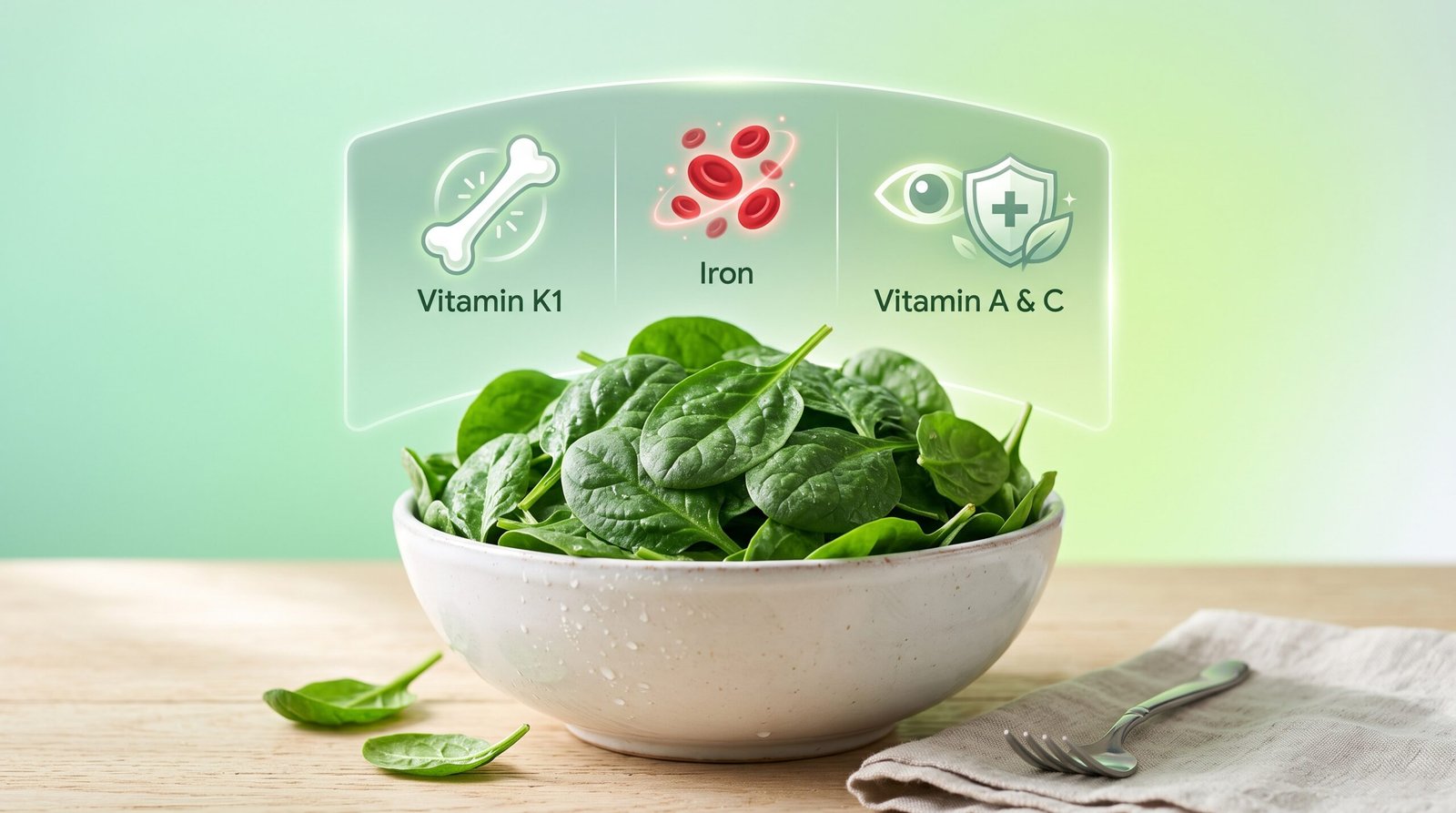
Vitamin K1: Essential for bone health and proper blood clotting.
-
Vitamin A: High in beta-carotene, which supports vision and immune function.
-
Vitamin C: A powerful antioxidant that promotes skin health and immune strength.
-
Folate (Vitamin B9): Crucial for normal cellular function and tissue growth, especially for pregnant individuals.
-
Iron: Supports the creation of hemoglobin, which carries oxygen to your body’s tissues.
-
Calcium: Important for bone strength and nervous system communication.
7 Health Benefits of Spinach
Adding spinach to your diet can do wonders for your overall well-being. Here are seven scientifically grounded benefits that make this leafy green a must-have in your kitchen.
1. Supports Eye Health
Spinach is loaded with zeaxanthin and lutein. These are carotenoids responsible for color in some plants. Human eyes also contain high quantities of these pigments, which help protect your eyes from damage caused by sunlight and blue light.
2. Promotes Healthy Blood Pressure
High blood pressure is a common concern for many, but spinach may help. It is a rich source of naturally occurring nitrates, which have been shown to help moderate blood pressure levels. This supports overall cardiovascular health and keeps your heart working efficiently.
3. Strengthens Bone Health
While calcium is vital for bones, Vitamin K is equally important. Spinach is packed with Vitamin K1, which helps your body absorb calcium and binds it to the bone matrix. Regular intake of spinach may help support bone density and reduce the risk of fractures.
4. Aids in Healthy Digestion
If you struggle with digestive regularity, spinach can offer gentle support. It is high in dietary fiber and water, both of which are essential for maintaining a healthy digestive tract. Incorporating it into your meals promotes regular bowel movements and supports overall gut health.
5. Boosts the Immune System
Keeping your immune system strong is key to defending against seasonal bugs. Spinach contains high levels of Vitamin C, Vitamin E, and beta-carotene. These nutrients work together to support your immune cells and help your body fight off common infections.
6. Fights Oxidative Stress
Our bodies naturally produce free radicals, which can cause oxidative stress and lead to cellular damage over time. Spinach is rich in antioxidants that neutralize these free radicals. This protective effect supports healthy aging and promotes overall cellular health.
7. Promotes Radiant Skin and Hair
The vitamins found in spinach play a major role in keeping your skin and hair healthy. Vitamin A helps moderate oil production in skin pores and hair follicles, preventing dryness. Meanwhile, Vitamin C is necessary for the building and maintenance of collagen, which provides structure to skin and hair.
Potential Risks & Side Effects
While spinach is incredibly healthy for most people, there are a few precautions to keep in mind. Understanding these risks can help you enjoy spinach safely.
-
Kidney Stones: Spinach is high in calcium and oxalates. If you are prone to developing calcium-oxalate kidney stones, you may want to moderate your intake of raw spinach or consult your doctor.
-
Blood Thinners: Because spinach is very high in Vitamin K1, which plays a major role in blood clotting, it can interfere with blood-thinning medications like Warfarin. If you take these medications, try to keep your daily spinach intake consistent rather than making sudden changes.
Easy Ways to Enjoy Spinach Daily
You do not have to eat bowls of plain, raw spinach to enjoy its benefits. There are plenty of delicious and simple ways to incorporate this leafy green into your daily meals:
-
Boost Your Smoothies: Blend a handful of fresh spinach into your morning fruit smoothie. You will get all the nutrients without tasting the greens at all.
-
Upgrade Your Eggs: Toss chopped spinach into your morning scrambled eggs, omelets, or breakfast quiches.
-
Sauté as a Side Dish: Gently sauté spinach in a pan with a little bit of olive oil, garlic, and a pinch of salt for a quick, savory side dish.
-
Mix Into Soups and Pastas: Stir fresh spinach into warm soups, stews, or pasta sauces right before serving so it wilts gently.
Conclusion
Spinach truly earns its reputation as a superfood. From supporting your vision and cardiovascular health to strengthening your bones, this simple leafy green offers a wide array of health benefits. By adding a handful of spinach to your favorite meals, you can take a major, effortless step toward a healthier, more vibrant lifestyle.
Medical Disclaimer: The information provided on Sourves (https://sourves.com/) is for educational and informational purposes only. It is not intended to be a substitute for professional medical advice, diagnosis, or treatment. Always seek the advice of your physician or other qualified health provider with any questions you may have regarding a medical condition. Never disregard professional medical advice or delay in seeking it because of something you have read on this website.