Introduction
When people think about foods that promote healthy weight loss, vegetables like spinach, broccoli, and kale often come to mind. However, one incredibly nutritious yet frequently overlooked vegetable deserves a place on every healthy plate—zucchini. Also known as courgette in many parts of the world, zucchini is a versatile summer squash that offers exceptional nutritional value while remaining naturally low in calories and high in water content. These qualities make it one of the best vegetables for anyone looking to manage their weight without sacrificing flavor or satisfaction.
Weight management isn’t about following restrictive diets or eliminating entire food groups. Instead, it involves making smarter food choices that provide essential nutrients while helping you stay full, energized, and satisfied throughout the day. Zucchini fits perfectly into this approach because it delivers vitamins, minerals, antioxidants, and dietary fiber with very few calories. Whether grilled, roasted, spiralized into “zoodles,” baked into casseroles, or blended into soups, zucchini is both delicious and incredibly adaptable.
Beyond its role in weight management, zucchini supports heart health, digestive wellness, hydration, healthy blood sugar levels, immune function, and skin health. It contains important nutrients such as vitamin C, vitamin A, potassium, manganese, magnesium, folate, and beneficial plant compounds like lutein and zeaxanthin. Together, these nutrients help protect the body against oxidative stress, support normal cellular function, and contribute to overall well-being.
In today’s world, where processed foods are widely available and obesity rates continue to rise, incorporating nutrient-dense vegetables like zucchini into daily meals can make a meaningful difference. This comprehensive guide explores everything you need to know about zucchini—from its nutritional profile and science-backed health benefits to practical recipes, storage tips, potential side effects, and frequently asked questions.
What Is Zucchini?
Zucchini (Cucurbita pepo) is a member of the squash family, which also includes pumpkins, cucumbers, melons, and gourds. Although commonly used as a vegetable in cooking, zucchini is technically a fruit because it develops from the flower of the plant and contains seeds.
Originally cultivated in Central and South America, modern zucchini became especially popular in Italy before spreading throughout Europe and the rest of the world. Today, it is a staple ingredient in Mediterranean cuisine and is widely appreciated for its mild flavor, tender texture, and versatility.
Zucchini is available in several varieties, including green, yellow, and striped types. While each variety has a slightly different appearance, they all provide similar nutritional benefits.
One of zucchini’s greatest strengths is its adaptability. It can be:
- Grilled
- Roasted
- Steamed
- Stir-fried
- Air-fried
- Stuffed
- Spiralized into noodles
- Added to soups
- Used in salads
- Baked into breads and muffins
- Blended into smoothies
Its ability to absorb herbs, spices, and seasonings makes it suitable for countless healthy recipes.
Nutritional Profile of Zucchini
Despite containing very few calories, zucchini is packed with essential nutrients.
Nutrition Per 100 Grams
- Calories: Approximately 17
- Protein: 1.2 grams
- Carbohydrates: 3.1 grams
- Dietary Fiber: 1 gram
- Natural Sugars: 2.5 grams
- Fat: 0.3 grams
- Water: About 95%
Essential Vitamins
- Vitamin C
- Vitamin A
- Vitamin K
- Vitamin B6
- Folate (Vitamin B9)
- Riboflavin (Vitamin B2)
Important Minerals
- Potassium
- Magnesium
- Manganese
- Phosphorus
- Calcium
- Iron
- Zinc
Powerful Plant Compounds
- Lutein
- Zeaxanthin
- Beta-carotene
- Polyphenols
- Flavonoids
- Vitamin E
- Antioxidants
These nutrients work together to support healthy metabolism, vision, immunity, cardiovascular health, and cellular protection.
1. Supports Healthy Weight Management
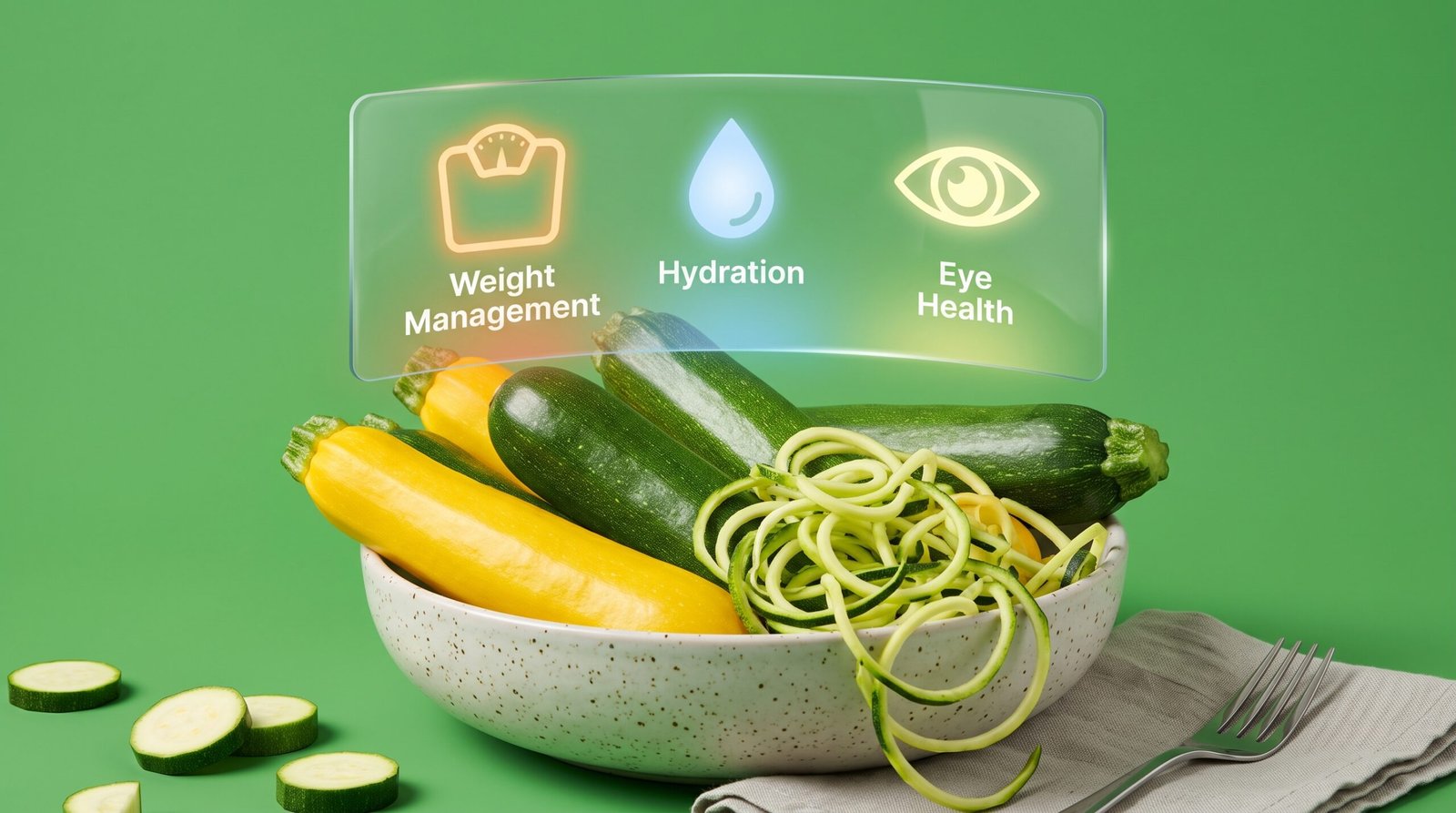
One of zucchini’s most impressive qualities is its ability to help support healthy body weight.
Naturally Low in Calories
A large serving of zucchini provides very few calories, allowing you to enjoy satisfying portions without significantly increasing your daily calorie intake.
High Water Content
Since zucchini is made up of approximately 95% water, it naturally increases meal volume while helping you feel fuller.
Rich in Fiber
Dietary fiber slows digestion, promotes satiety, and helps reduce unnecessary snacking between meals.
Healthy Alternative to High-Calorie Foods
Zucchini can replace many refined carbohydrate foods.
Popular substitutions include:
- Zucchini noodles instead of pasta
- Zucchini fries instead of French fries
- Grilled zucchini instead of processed side dishes
- Zucchini slices instead of crackers
- Zucchini boats instead of bread-based meals
These simple swaps reduce calories while increasing nutrient intake.
2. Promotes Better Digestion
Healthy digestion is essential for nutrient absorption, immune function, and overall wellness.
Zucchini contains both soluble and insoluble fiber.
Benefits Include
- Supports regular bowel movements
- Helps prevent constipation
- Nourishes beneficial gut bacteria
- Promotes smoother digestion
- Encourages healthy intestinal function
Its high water content also helps soften stool and supports digestive comfort.
3. Supports Heart Health
Cardiovascular disease remains one of the leading health concerns globally.
Zucchini contributes to heart health through several important nutrients.
Potassium
Helps maintain healthy blood pressure by balancing sodium levels.
Fiber
Supports healthy cholesterol levels by reducing cholesterol absorption.
Antioxidants
Vitamin C, lutein, and polyphenols help protect blood vessels from oxidative stress.
Magnesium
Supports normal heart rhythm, muscle function, and blood vessel relaxation.
Regularly including zucchini as part of a heart-friendly eating pattern may help support long-term cardiovascular health.
4. Helps Maintain Healthy Blood Sugar Levels
Because zucchini is naturally low in carbohydrates and contains dietary fiber, it has a minimal impact on blood sugar levels.
Fiber slows carbohydrate digestion and supports steadier glucose responses after meals.
For individuals looking to reduce refined carbohydrates, zucchini offers an excellent substitute in many recipes.
5. Rich in Antioxidants
Free radicals produced by normal metabolism, pollution, smoking, and chronic stress can damage healthy cells.
Zucchini provides antioxidants such as:
- Vitamin C
- Beta-carotene
- Lutein
- Zeaxanthin
- Polyphenols
These compounds help reduce oxidative stress, support healthy aging, and protect cells throughout the body.
6. Supports Eye Health
The yellow and green pigments naturally present in zucchini provide lutein and zeaxanthin.
These carotenoids accumulate in the retina and help protect the eyes from harmful blue light and oxidative damage.
Regular consumption of foods rich in lutein and zeaxanthin may contribute to maintaining healthy vision as we age.
7. Strengthens the Immune System
Zucchini supplies several nutrients involved in immune function.
Vitamin C helps stimulate white blood cell activity, while vitamin A supports healthy skin and mucous membranes that serve as barriers against infection.
Its antioxidant compounds further support immune cells by reducing oxidative stress.
8. Helps Keep You Hydrated
Since zucchini contains approximately 95% water, it contributes to daily fluid intake.
Proper hydration supports:
- Temperature regulation
- Digestion
- Circulation
- Joint lubrication
- Kidney function
- Healthy skin
Including water-rich vegetables alongside regular fluid intake is an excellent strategy for maintaining hydration.
9. Supports Healthy Skin
Healthy skin depends on good nutrition.
Zucchini provides nutrients that help maintain skin health, including:
- Vitamin C
- Vitamin A
- Beta-carotene
- Water
- Antioxidants
Vitamin C contributes to collagen production, while antioxidants help protect skin cells from environmental damage.
10. A Versatile Vegetable for Everyday Cooking
One reason zucchini is so popular is its remarkable versatility.
You can enjoy it:
- Raw in salads
- Grilled
- Roasted
- Stir-fried
- Air-fried
- Steamed
- Stuffed
- Spiralized
- Blended into soups
- Mixed into pasta dishes
- Added to curries
- Used in omelets
- Included in casseroles
- Baked into healthy desserts
Its mild flavor pairs beautifully with garlic, herbs, olive oil, lemon, tomatoes, cheese, beans, seafood, poultry, and whole grains.
Potential Risks and Side Effects
Although zucchini is considered very safe, there are a few considerations.
Digestive Discomfort
Eating very large amounts may cause mild bloating or gas in some individuals because of its fiber content.
Allergic Reactions
Rarely, people may experience allergies to zucchini or related plants.
Bitter Zucchini Warning
Occasionally, zucchini may taste unusually bitter because of naturally occurring compounds called cucurbitacins. Extremely bitter zucchini should not be eaten, as high concentrations may cause digestive symptoms.
Quick and Healthy Zucchini Recipes
1. Garlic Herb Roasted Zucchini
Slice zucchini, drizzle with olive oil, garlic, oregano, black pepper, and roast until golden.
2. Zucchini Noodles (Zoodles)
Spiralize zucchini and lightly sauté with olive oil, garlic, cherry tomatoes, basil, and grilled chicken or shrimp.
3. Creamy Zucchini Soup
Blend cooked zucchini with onions, garlic, vegetable broth, and herbs for a smooth, comforting soup.
4. Stuffed Zucchini Boats
Fill halved zucchini with lean ground turkey, quinoa, tomatoes, spinach, herbs, and bake until tender.
Tips for Buying and Storing Zucchini
Choose zucchini that has:
- Bright green skin
- Smooth surface
- Firm texture
- Small to medium size
- No soft spots or wrinkles
Store zucchini in the refrigerator and use within one week for the best flavor and nutritional quality.
Frequently Asked Questions
Can I eat zucchini every day?
Yes. Most healthy adults can safely enjoy zucchini regularly as part of a varied and balanced diet.
Is zucchini good for weight loss?
Yes. Its low calorie content, high water percentage, and dietary fiber make it one of the best vegetables for healthy weight management.
Can zucchini be eaten raw?
Absolutely. Raw zucchini is delicious in salads, wraps, and vegetable platters.
Is zucchini healthier cooked or raw?
Both forms are nutritious. Raw zucchini retains slightly more vitamin C, while cooking can improve digestibility and enhance flavor.
Is zucchini suitable for people with diabetes?
Because it is low in carbohydrates and rich in nutrients, zucchini can be a healthy addition to meals for many people managing blood sugar. Individual dietary advice should always come from a qualified healthcare professional.
Conclusion
Zucchini is much more than a simple summer squash—it’s a nutrient-dense, versatile, and delicious vegetable that supports overall health in countless ways. From promoting healthy weight management and digestion to supporting heart health, hydration, immunity, and eye health, zucchini delivers impressive nutritional value with very few calories.
Its mild flavor and adaptability make it easy to include in everyday meals, whether you’re preparing salads, soups, stir-fries, roasted vegetables, pasta alternatives, or healthy baked dishes. For individuals looking to eat more whole foods while reducing excess calories and refined carbohydrates, zucchini is an outstanding choice.
Remember, no single food is a magic solution for perfect health. The greatest benefits come from maintaining a balanced diet rich in fruits, vegetables, whole grains, lean proteins, and healthy fats, combined with regular physical activity, sufficient sleep, and proper hydration.
By making zucchini a regular part of your meals, you’re investing in a simple yet powerful habit that supports long-term wellness. Small, consistent choices like adding more nutrient-rich vegetables to your plate can make a meaningful difference in your health journey over time.
Medical Disclaimer: The information provided on Sourves (https://sourves.com/) is for educational and informational purposes only. It is not intended to be a substitute for professional medical advice, diagnosis, or treatment. Always seek the advice of your physician or other qualified health provider with any questions you may have regarding a medical condition. Never disregard professional medical advice or delay in seeking it because of something you have read on this website.