Trying to build a balanced, healthy diet can sometimes feel like a daunting task, especially when you are managing a busy schedule. If you are looking for a simple, highly nutritious vegetable that offers a massive return on your wellness investment, it is time to give Brussels sprouts another look.
Once notoriously misunderstood, these tiny cabbages are actually a profound nutritional powerhouse. In this article, we will explore their impressive health benefits, their stellar nutrient profile, and how to easily make them a delicious part of your daily routine.
The Nutritional Profile of Brussels Sprouts
Brussels sprouts belong to the powerful cruciferous vegetable family, putting them in the same elite, health-boosting category as broccoli and kale. They are incredibly low in calories but exceptionally dense in essential vitamins, minerals, and protective plant compounds.
A single cup of cooked Brussels sprouts provides a fantastic array of daily nutrients:
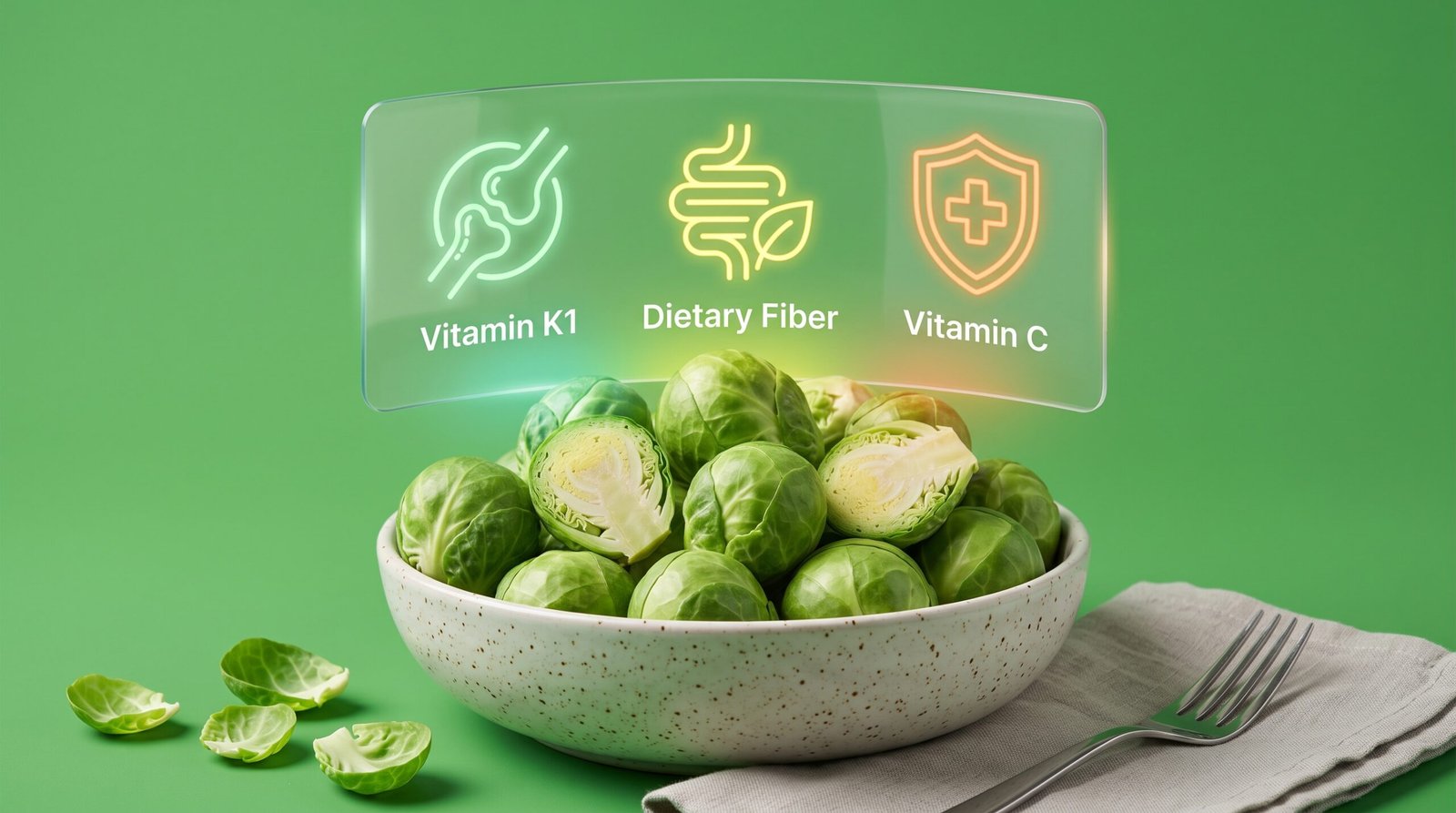
Vitamin K1: Absolutely essential for proper blood clotting processes and maintaining strong, healthy bones.
Vitamin C: A powerful antioxidant that supports robust immune health, tissue repair, and natural iron absorption.
Dietary Fiber: Crucial for feeding friendly gut bacteria and keeping your digestive system moving smoothly.
Folate (Vitamin B9): Important for natural energy production, DNA synthesis, and maintaining healthy red blood cells.
Glucosinolates: Unique, naturally occurring sulfur compounds that your body converts into powerful cellular protectors.
5 Health Benefits of Brussels Sprouts
Adding these mini cabbages to your meals can provide profound, scientifically backed support for your entire body. Here is how Brussels sprouts actively promote your long-term wellness.
1. Supports Strong Bones and Joints
While calcium often gets all the credit, Vitamin K is just as vital for maintaining bone health. Brussels sprouts are incredibly rich in Vitamin K1, which helps your body effectively utilize calcium to build and preserve bone density. Regular consumption may help protect your skeletal structure and joints as you age.
2. Promotes a Resilient Immune System
Keeping your immune system strong is the best way to naturally defend against common seasonal illnesses. A single serving of Brussels sprouts provides well over your daily requirement of Vitamin C. This essential vitamin stimulates the production of white blood cells, acting as your body’s natural frontline defense force.
3. Aids in Smooth, Healthy Digestion
If you occasionally struggle with digestive discomfort, gently increasing your fiber intake can make a world of difference. The rich dietary fiber in Brussels sprouts adds necessary bulk to your stool and supports regular, comfortable bowel movements. It also acts as a prebiotic, nourishing the beneficial bacteria in your gut microbiome.
4. Helps Regulate Blood Sugar Levels
Maintaining steady energy levels throughout the day is crucial for overall vitality and focus. The high fiber content in Brussels sprouts slows down the digestion and absorption of carbohydrates in your system. This gentle process helps prevent rapid spikes in blood sugar, offering excellent, natural support for your metabolic health.
5. Fights Cellular Stress and Inflammation
Every single day, our bodies face environmental stressors that can cause invisible cellular damage. Brussels sprouts are loaded with antioxidants and unique compounds like kaempferol that help neutralize harmful free radicals. These protective nutrients gently soothe systemic inflammation and support overall cellular longevity.
Potential Risks & Side Effects
Brussels sprouts are incredibly healthy and safe for the vast majority of people. However, being aware of a few minor precautions can help you enjoy them comfortably and confidently.
Digestive Discomfort: Because they are very high in fiber and certain complex carbohydrates, eating a large amount suddenly can cause mild gas or bloating. If you are not used to eating cruciferous vegetables, introduce Brussels sprouts into your diet slowly to let your gut adjust.
Blood Thinning Medications: Brussels sprouts contain very high levels of Vitamin K1, which naturally promotes blood clotting. If you are taking blood thinners like Warfarin, suddenly changing your intake can interfere with your medication. It is best to maintain a consistent dietary routine and consult your doctor.
Delicious Ways to Enjoy Brussels Sprouts Daily
If your only memory of Brussels sprouts is a mushy, bitter side dish, it is time for a serious culinary upgrade! Here are a few highly delicious, modern ways to prepare them:
Crispy Oven-Roasted: Cut them in half, toss gently with olive oil, sea salt, and black pepper. Roast them at 400°F (200°C) until the outer leaves are deeply browned and delightfully crispy. This method brings out their natural, nutty sweetness.
Shaved in Fresh Salads: Use a food processor or a sharp knife to finely shred raw Brussels sprouts. Toss them with a light lemon vinaigrette, dried cranberries, and sliced almonds for a crunchy, nutrient-dense daily salad.
Sautéed with Garlic: Slice them thinly and quickly sauté them in a pan with a little extra virgin olive oil and minced garlic. Finish with a small splash of balsamic vinegar for a savory, deeply comforting side dish.
Conclusion
Brussels sprouts truly deserve a permanent spot on your weekly grocery list. From fortifying your immune defenses to supporting strong bones and ensuring smooth digestion, these tiny vegetables offer massive, full-body health benefits. By trying out simple cooking methods like roasting or shredding, you can easily turn this powerful superfood into a delicious mealtime favorite.
Medical Disclaimer: The information provided on Sourves (https://sourves.com/) is for educational and informational purposes only. It is not intended to be a substitute for professional medical advice, diagnosis, or treatment. Always seek the advice of your physician or other qualified health provider with any questions you may have regarding a medical condition. Never disregard professional medical advice or delay in seeking it because of something you have read on this website.